

Shop


Ti3C2 MXene Powder Multilayer
$0.00Product Name: Ti3C2Tx (MXene) Multilayer Powder
Ti3C2Tx MXene
Ti3C2 Mxene multilayer
| Product | Ti3C2Tx (MXene) Multilayer |
| MF | Product Code: NCZMX-109-20 |
| Colour | Black Powder |
| Purity | 99 wt % |
| Number of layers | 10-50 (customizable) |
| Ingredient | Ti3C2 |
| CAS NO | 12363-89-2 |
Powder size: 1 Micron, 5 Micron, 10 Micron, 20 Micron, 30 Micron, 45 Micron. Ask for size customization.
Ti3C2 MXene Powder Multiplayer APPLICATION FIELDS
MXenes and MXenes-based nanocomposites have been widely used in nano-adsorption, biosensors, ion sieving, catalysis, lithium-ion batteries, supercapacitors, lubrication, and many other fields.
RELATED INFORMATION
Storage Conditions:
Airtight sealed, avoid light and keep dry at room temperature.
Please email us for the customization.
Email: contact@nanochemazone.com

Ti3C2 MXene Quantum Dots
$0.00Product Name: Ti3C2 MXene Quantum Dots
| Product |
Ti3C2 MXene Quantum Dots |
| CAS No. | 12363-89-2 |
| Appearance | Suspension |
| Purity | 99% |
| Diameter | 5 – 10 nm (can be customized) |
| Ingredient | Ti3C2 |
| Product Code | NCZ-MX-309 |
RELATED INFORMATION
Storage Conditions:
Airtight sealed, avoid light and keep dry at room temperature.
Please email us for the customization.
Email: contact@nanochemazone.com

Ti3C2 Transparent Film
$0.00Product Name: Ti3C2 Transparent Film
| Product | Ti3C2 Transparent Film |
| CAS No. | 12363-89-2 |
| Appearance | Fim |
| Purity | 99% |
| Size | 1 * 1 cm (can be customized) |
| Ingredient | Ti3C2 |
| Product Code | NCZ-MX-313 |
RELATED INFORMATION
Storage Conditions:
Airtight sealed, avoid light and keep dry at room temperature.
Please email us for the customization.
Email: contact@nanochemazone.com


Ti3C2Tx (MXene) Nanosize thin layer dispersion
$0.00Product Name: Small diameter Ti3C2Tx (MXene) thin layer dispersion
Ti3C2Tx MXene
| Product | Ti3C2Tx MXene thin layer dispersion |
| Product Code | NCZ-MX-104-D |
| Colour | Black Solution |
| Lateral Size | 50-150 nm |
| Concentrations | 2 mg/mL |
| Number of Layers | 1 to 5 |
| CAS | 12363-89-2 |
APPLICATION FIELDS
Flexible electronic devices (sensors, capacitors), flexible batteries, etc. It also can be used to deposit other materials as composite materials and separation membranes for seawater separation.
RELATED INFORMATION
Storage Conditions:
Airtight sealed, avoid light and keep dry at room temperature.
Please email us for the customization.
Email: contact@nanochemazone.com


Ti3C2Tx MXene Few Layer Dispersion Solution
$0.00Product Name: Ti3C2Tx MXene Few-Layer Dispersion Solution
Ti3C2Tx MXene Few-Layer Dispersion
Product Code: NCZ-MX-107
| Product | Ti3C2Tx (MXene) Few-Layer Dispersion Solution |
| Colour | Black Solution |
| Lateral size | 2-5 μm (customizable) |
| Number of layers | 1-10 (customizable) |
| Concentration | 5mg/ml (customizable) |
| CAS NO | 12363-89-2 |
APPLICATION FIELDS
MXenes and MXenes-based nanocomposites have been widely used in nano-adsorption, biosensors, ion sieving, catalysis, lithium-ion batteries, supercapacitors, lubrication, and many other fields.
RELATED INFORMATION
Storage Conditions:
Airtight sealed, avoid light and keep dry at room temperature.
Please email us for the customization.
Email: contact@nanochemazone.com


Ti3C2Tx MXene Few layer Nanoflake
$0.00Product Name: Ti3C2Tx (MXene) Few layers Nanoflake Powder
Ti3C2Tx MXene (few-layer nanoflakes)
Few-layered Ti3C2Tx MXene
Few-layer MXene Ti3C2Tx nanoflakes
Ti3C2Tx MXene
| Product |
Ti3C2Tx (MXene) Few layer Nanoflake |
| MF | Product Code: NCZ-MX-109 |
| Colour | Black Powder |
| Purity | 99 wt % |
| Number of layers | 1-10 (customizable) |
| Ingredient | Ti3C2 |
| CAS NO | 12363-89-2 |
Ti3C2Tx MXene Few layer Nanoflake APPLICATION FIELDS
MXenes and MXenes-based nanocomposites have been widely used in nano-adsorption, biosensors, ion sieving, catalysis, lithium-ion batteries, supercapacitors, lubrication, and many other fields.
Ti3C2Tx MXene Few layer Nanoflake RELATED INFORMATION
Storage Conditions:
Airtight sealed, avoid light and keep dry at room temperature.
Please email us for the customization.
Email: contact@nanochemazone.com


Ti3C2Tx MXene multilayer Nanoflake
$0.00Product Name: Ti3C2Tx (MXene) multilayer Nanoflake
Ti3C2Tx MXene (multilayer nanoflakes)
multilayer Ti3C2Tx MXene
multilayer MXene Ti3C2Tx nanoflakes
| Product |
Ti3C2Tx (MXene) multilayer Nanoflake |
| Product Code | NCZ-MX-110 |
| Thickness | 100-200 nm (customizable) |
| Purity | ~99 wt% |
| Ingredient | Ti3C2 |
| CAS NO | 12316-56-2 |
| Appearance: | Black Powder |
Ti3C2Tx MXene multilayer Nanoflake APPLICATION FIELDS
MXenes and MXenes-based nanocomposites have been widely used in nano-adsorption, biosensors, ion sieving, catalysis, lithium-ion batteries, supercapacitors, lubrication, and many other fields.
Ti3C2Tx MXene multilayer Nanoflake RELATED INFORMATION
Storage Conditions:
Airtight sealed, avoid light and keep dry at room temperature.
Please email us for the customization.
Email: contact@nanochemazone.com


Ti3C2Tx MXene Thin Layer Dispersion Solution
$0.00Product Name: Ti3C2Tx MXene Thin Layer Dispersion Solution
Product Code: NCZ-MX-108
| Product |
Ti3C2Tx MXene Thin Layer Dispersion Solution |
| Colour | Black Solution |
| Lateral size | 2-5 μm |
| Number of layers | 1-10 |
| Concentration | 2.5 mg/ml |
| CAS NO | 12363-89-2 |
APPLICATION FIELDS
MXenes and MXenes-based nanocomposites have been widely used in nano-adsorption, biosensors, ion sieving, catalysis, lithium-ion batteries, supercapacitors, lubrication, and many other fields.
RELATED INFORMATION
Storage Conditions:
Airtight sealed, avoid light and keep dry at room temperature.
Please email us for the customization.
Email: contact@nanochemazone.com


Ti3C2Tx MXene Thin Layer Dispersion Solution
$0.00Product Name: Ti3C2Tx MXene Thin Layer Dispersion Solution
Product Code: NCZ-MX-106
| Product |
Ti3C2Tx (MXene) Thin Layer Dispersion Solution |
| Colour | Black Solution |
| Lateral size | 2-5 μm |
| Number of layers | 1-5 |
| Concentration | 2 mg/ml |
| CAS NO | 12363-89-2 |
Ti3C2Tx MXene Thin Layer Dispersion Solution APPLICATION FIELDS
MXenes and MXenes-based nanocomposites have been widely used in nano-adsorption, biosensors, ion sieving, catalysis, lithium-ion batteries, supercapacitors, lubrication, and many other fields.
RELATED INFORMATION
Storage Conditions:
Airtight sealed, avoid light and keep dry at room temperature.
Please email us for the customization.
Email: contact@nanochemazone.com

Ti3CN MXenes Material
$0.00Product Name: Ti3CN MXenes Material
| Product | Ti3CN MXenes Material |
| CAS No. | 12316-56-2 |
| Appearance | Powder |
| Purity | 99% |
| APS | 1 – 5 microns (can be customized) |
| Ingredient | The organ-like material is etched by hydrofluoric acid .
Organ-like material obtained by etching with HF . |
| Product Code | NCZ-MX-302 |
RELATED INFORMATION
Storage Conditions:
Airtight sealed, avoid light and keep dry at room temperature.
Please email us for the customization.
Email: contact@nanochemazone.com

Ti3GeC2 MAXene Powder
$0.00Product Name: Ti3GeC2 MAXene Powder
Product Code: NCZ-MX-206
| Product | Ti3GeC2 MAX |
| Colour | Black Powder |
| Purity | ≥98 wt% |
| Ingredient | Ti3GeC2 |
| CAS NO | 12316-56-2 |
APPLICATION FIELDS
High-temperature coating, Mxene precursor, conductive self-lubricating ceramic, lithium-ion battery, supercapacitor, electrochemical catalysis.
RELATED INFORMATION
Storage Conditions:
Airtight sealed, avoid light and keep dry at room temperature.
Please email us for the customization.
Email: contact@nanochemazone.com

Ti3SiC2 max phase target
$0.00Product Name: Ti3SiC2 Max Phase Target
| Product | Ti3SiC2 freestanding thin films/Target Max Phase |
| Colour | Blackish |
| Thickness | 5-10 µm |
| Diameter | ≈45 mm (Ask for customization) |
| Product Code | NCZ-MX-221 |
APPLICATION FIELDS
Flexible electronic devices (sensors, capacitors), flexible batteries, etc. It also can be used to deposit other materials as composite materials and separation membranes for seawater separation.
RELATED INFORMATION
Storage Conditions:
Sealed, avoid light, Argon protection and keep dry at room temperature.
Expiry date: Three months.

Ti3SiC2 Max Phase Target
$0.00Product Name: Ti3SiC2 Max Phase Target
| Product | Ti3SiC2 Max Phase Target |
| CAS No. | 12316-56-2 |
| Appearance | Powder |
| Purity | 99% |
| Size | 80 * 5 mm |
| Ingredient | Ti3SiC2 |
| Product Code | NCZ-MX-316 |
RELATED INFORMATION
Storage Conditions:
Airtight sealed, avoid light, and keep dry at room temperature.
Please email us for the customization.
Email: contact@nanochemazone.com


Ti3SiC2 MAXene Powder
$0.00Product Name: Ti3SiC2 MAXene Powder
Ti3SiC2 MAX Phase Powder
| Product |
Ti3SiC2 MAXene powder |
| Colour | Black Powder |
| Purity | ≥98 wt% |
| Ingredient | Ti3SiC2 |
| Product Code | NCZ-MX-122 |
APPLICATION FIELDS
High-temperature coating, MXene precursor, conductive self-lubricating ceramic, lithium-ion battery, supercapacitor, electrochemical catalysis.
RELATED INFORMATION
Storage Conditions:
Airtight sealed, avoid light and keep dry at room temperature.
Please email us for the customization.
Email: contact@nanochemazone.com
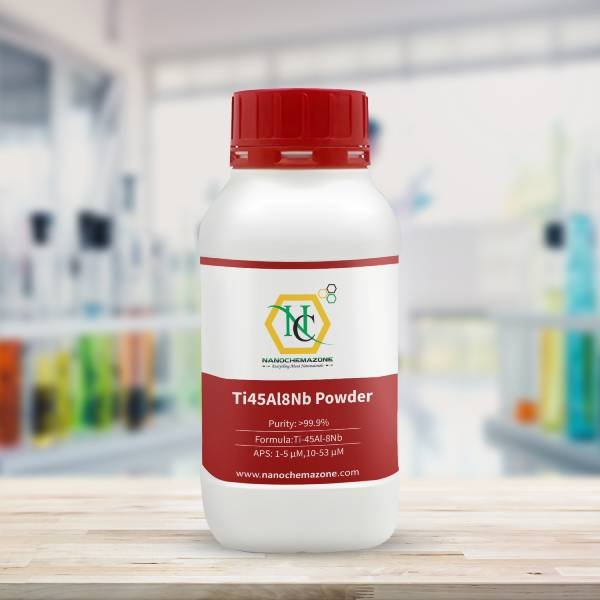
Ti45Al8Nb Powder
$0.00Ti45Al8Nb Powder
| Product | Ti45Al8Nb Powder |
| CAS No. | 196506-01-1 |
| Appearance | Grayish and Metallic Silver Powder |
| Purity | ≥99%, ≥99.9%, ≥95%(Other purities are also available) |
| APS | 1-5 µM, 10-53 µM (Can be customized), Ask for other available size range. |
| Ingredient | Ti-45Al-8Nb |
| Density | 4.1-4.3g/cm3 |
| Molecular Weight | N/A |
| Product Codes | NCZ-DCY-265/25 |
Ti45Al8Nb Description:
Ti45Al8Nb Powder is one of the numerous advanced ceramic materials manufactured by Nanochemazone. Nanochemazone produces too many standard grades when applicable, including Mil Spec (military grade); ACS, Reagent and Technical Grade; Food, Agricultural and Pharmaceutical Grade; Optical Grade, USP and EP/BP (European Pharmacopoeia/British Pharmacopoeia) and follows applicable ASTM testing standards. Typical and custom packaging is available. Additional technical, research and safety (MSDS) information are available. Please request a quote above for more information on lead time and pricing
Ti45Al8Nb Powder Related Information :
Storage Conditions:
Airtight sealed, avoid light and keep dry at room temperature.
Please contact us for customization and price inquiry
Email: contact@nanochemazone.com
Note: We supply different size ranges of Nano and micron as per the client’s requirements and also accept customization in various parameters.
Ti45Al8Nb Powder
Ti45Al8Nb powder is a revolutionary material that has gained significant attention in various industries due to its exceptional properties. This article explores the composition, manufacturing process, physical and mechanical properties, as well as the applications of Ti45Al8Nb powder.
The aerospace industry is constantly seeking innovative materials that can enhance aircraft performance, durability, and fuel efficiency. One such material that has caught the attention of engineers and researchers is Ti45Al8Nb powder. This unique alloy powder exhibits remarkable properties that make it a promising candidate for aerospace applications. In this article, we will explore the world of Ti45Al8Nb powder and its potential to revolutionize the aerospace industry.
Understanding Titanium-Aluminum-Niobium Alloys
Titanium-aluminum-niobium alloys, commonly known as Ti-Al-Nb alloys, are a class of lightweight materials that possess excellent strength-to-weight ratios. These alloys combine the desirable properties of titanium, aluminum, and niobium to create a material that is both lightweight and strong. The addition of niobium enhances the high-temperature stability, creep resistance, and mechanical properties of the alloy.
The Significance Of Ti45Al8Nb Powder
Ti45Al8Nb powder is a specific composition within the Ti-Al-Nb alloy family. It contains 45% titanium, 8% aluminum, and 47% niobium. This particular composition has garnered attention due to its exceptional properties, including high strength, low density, and excellent corrosion resistance. These characteristics make Ti45Al8Nb powder an ideal material for aerospace applications, where weight reduction, durability, and resistance to harsh environments are crucial factors.
Properties And Characteristics Of Ti45Al8Nb Powder
Ti45Al8Nb powder exhibits several key properties that contribute to its suitability for aerospace applications:
High Strength:
Ti45Al8Nb powder possesses excellent strength-to-weight ratios, allowing the production of lightweight components without compromising structural integrity.
Low Density:
With a low density, Ti45Al8Nb powder helps reduce the overall weight of aircraft, leading to improved fuel efficiency and increased payload capacity.
Corrosion Resistance:
The alloy’s corrosion resistance ensures the longevity of aerospace components, even in aggressive environments encountered during flight.
High-Temperature Stability:
Ti45Al8Nb powder exhibits exceptional stability at elevated temperatures, making it suitable for applications where exposure to heat is inevitable.
Fatigue Resistance:
The alloy’s fatigue resistance ensures long-term durability and extends the lifespan of critical components subjected to cyclic loading.
Applications In The Aerospace Industry
Ti45Al8Nb powder has found various applications in the aerospace industry, including:
Engine Components:
The powder is utilized in the manufacturing of engine parts such as turbine blades, compressor discs, and combustor liners. Its high-temperature stability and strength make it an ideal choice for these critical components.
Structural Components:
Ti45Al8Nb powder is used to produce structural components like aircraft frames, wings, and landing gear. Its lightweight nature and excellent strength properties contribute to improved overall aircraft performance.
Exhaust Systems:
The alloy’s corrosion resistance makes it suitable for exhaust systems, where exposure to high-temperature gases and corrosive byproducts is a concern.
Heat Exchangers:
Ti45Al8Nb powder can be used in heat exchangers, allowing efficient heat transfer while withstanding the challenging operating conditions encountered in aerospace applications.
Advantages Of Ti45Al8Nb Powder In Aerospace Applications
The use of Ti45Al8Nb powder in the aerospace industry offers several advantages:
Weight Reduction:
The lightweight nature of the alloy contributes to fuel efficiency and increased payload capacity, resulting in reduced operating costs.
Enhanced Performance:
Components made from Ti45Al8Nb powder exhibit improved performance due to the alloy’s high strength, fatigue resistance, and temperature stability.
Cost Savings:
Although the initial production costs of Ti45Al8Nb powder may be higher than traditional materials, its long-term durability and reduced maintenance requirements lead to cost savings over the lifecycle of aerospace components.
Environmental Benefits:
Lightweight materials like Ti45Al8Nb powder contribute to reduced fuel consumption and lower emissions, aligning with the industry’s focus on sustainability.
Challenges And Future Prospects
While Ti45Al8Nb powder shows immense promise for aerospace applications, there are still challenges that need to be addressed. These include:
Manufacturing Techniques:
Refining the manufacturing techniques to optimize the production of Ti45Al8Nb powder is essential for widespread adoption in the aerospace industry.
Cost Considerations:
Reducing the production costs of Ti45Al8Nb powder is crucial to make it more economically viable for various aerospace applications.
Standardization And Certification:
Establishing standardized testing and certification processes will ensure the safety and reliability of components manufactured using Ti45Al8Nb powder.
In the future, advancements in manufacturing technologies and research efforts will likely overcome these challenges, unlocking the full potential of Ti45Al8Nb powder in the aerospace industry.
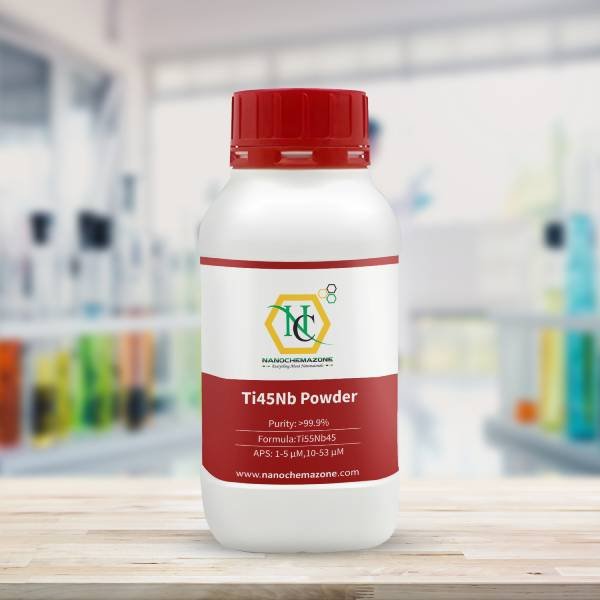
Ti45Nb Powder
$0.00Ti45Nb Powder
| Product | Ti45Nb Powder |
| CAS No. | 191152-52-0 |
| Appearance | Metallic Gray or Dark Gray Powder |
| Purity | ≥99%, ≥99.9%, ≥95%(Other purities are also available) |
| APS | 1-5 µM, 10-53 µM (Can be customized), Ask for other available size range. |
| Ingredient | Ti55Nb45 |
| Density | 6.0g/cm3 |
| Molecular Weight | N/A |
| Product Codes | NCZ-DCY-266/25 |
Ti45Nb Description:
Ti45Nb Powder is one of the numerous advanced ceramic materials manufactured by Nanochemazone. Nanochemazone produces too many standard grades when applicable, including Mil Spec (military grade); ACS, Reagent and Technical Grade; Food, Agricultural and Pharmaceutical Grade; Optical Grade, USP and EP/BP (European Pharmacopoeia/British Pharmacopoeia) and follows applicable ASTM testing standards. Typical and custom packaging is available. Additional technical, research and safety (MSDS) information are available. Please request a quote above for more information on lead time and pricing
Ti45Nb Powder Related Information :
Storage Conditions:
Airtight sealed, avoid light and keep dry at room temperature.
Please contact us for customization and price inquiry
Email: contact@nanochemazone.com
Note: We supply different size ranges of Nano and micron as per the client’s requirements and also accept customization in various parameters.
Ti45Nb Powder for Additive Manufacturing
Ti45Nb powder, a marvel of material science, is making waves in the realm of additive manufacturing.
Understanding the Composition and Properties of Ti45Nb Powder
At its core, Ti45Nb powder is a metal alloy powder consisting primarily of titanium (Ti) and niobium (Nb). The magic lies in the specific ratio – roughly 55% titanium and 45% niobium by weight. This unique blend imbues the powder with a remarkable set of properties, as summarized in the table below:
| Property | Description |
| Composition | 55% Ti, 45% Nb (nominal) |
| Density | ~6.0 g/cm³ |
| Melting Point | ~3000°C |
| Strength | Medium range |
| Elastic Modulus | 40% lower than commercially pure titanium |
| Biocompatibility | Excellent |
| Corrosion Resistance | Outstanding |
Unveiling the Characteristics of Ti45Nb Powder
Beyond its composition and properties, Ti45Nb powder possesses several key characteristics that make it a game-changer in additive manufacturing:
High Strength-to-Weight Ratio: Imagine a material that’s incredibly strong yet surprisingly lightweight. That’s the beauty of Ti45Nb powder. This characteristic makes it ideal for applications where weight reduction is crucial, such as aerospace and automotive components.
Excellent Biocompatibility: For medical implants that need to seamlessly integrate with the human body, biocompatibility is paramount. Ti45Nb powder shines in this area, making it a promising material for prosthetics, dental implants, and other medical devices.
Superior Corrosion Resistance: Imagine a material that can withstand harsh environments without succumbing to rust or degradation. Ti45Nb powder exhibits exceptional corrosion resistance, making it perfect for applications exposed to saltwater, chemicals, or extreme temperatures.
Tailor-Made for Additive Manufacturing: The fine, free-flowing nature of Ti45Nb powder makes it perfectly suited for various additive manufacturing techniques like laser beam melting and electron beam melting. These techniques allow for the creation of complex, near-net-shape components with high precision.
Where Does Ti45Nb Powder Shine? Exploring its Applications
The exceptional properties of Ti45Nb powder translate into a wide range of exciting applications across various industries. Here’s a glimpse into some of the most promising areas:
| Application | Description |
| Aerospace: Lightweight, high-strength components for aircraft, spacecraft, and satellite structures. | |
| Biomedical: Biocompatible implants for knees, hips, and other joints, as well as dental implants and surgical instruments. | |
| Chemical Processing: Corrosion-resistant components for pumps, valves, and other equipment exposed to aggressive chemicals. | |
| Oil and Gas: High-pressure and high-temperature components for drilling equipment and downhole tools. | |
| Consumer Products: High-performance sporting goods like bicycle frames and golf clubs. |
Exploring the Specifications, Sizes, Grades, and Standards
As with any material, Ti45Nb powder comes in various specifications, sizes, grades, and needs to adhere to specific standards. Here’s a breakdown to help you navigate the options:
| Specification | Description |
| Particle Size: Typically ranges from 15 to 45 microns, with customized options available for specific applications. | |
| Grade: Available in various grades depending on the desired level of purity and oxygen content. | |
| Standards: Conforms to industry standards like ASTM F3056 for additive manufacturing powders. |
As mentioned earlier, Nanochemazone is a reputable supplier that stands out for its commitment to high-quality metal powders. Here’s a closer look at what they offer:
Extensive Portfolio: Nanochemazone boasts a wide range of metal powders, including Ti45Nb powder in various specifications.
Rigorous Quality Control: They adhere to strict quality control procedures to ensure the consistency and performance of their powders.
Technical Support: Their team of experts can provide valuable guidance on selecting the right Ti45Nb powder for your specific needs.
Competitive Pricing: Nanochemazone offers competitive pricing on Ti45Nb powder, making it an attractive option for cost-conscious manufacturers.Ti45Nb powder price
Frequently Asked Questions (FAQ) About Ti45Nb Powder
What are the advantages of using Ti45Nb powder over other metal powders?
Ti45Nb powder offers a unique combination of properties that make it advantageous in several ways:
High strength-to-weight ratio: Ideal for weight-critical applications.
Excellent biocompatibility: Perfect for medical implants.
Superior corrosion resistance: Withstands harsh environments.
Tailor-made for additive manufacturing: Enables the creation of complex, near-net-shape components.
Is Ti45Nb powder difficult to work with?
While Ti45Nb powder requires specific handling procedures due to its fine particle size, it’s generally compatible with various additive manufacturing techniques like laser beam melting and electron beam melting.
What are the safety considerations when working with Ti45Nb powder?
As with any metal powder, Ti45Nb powder can pose inhalation risks. It’s crucial to follow proper safety protocols like using a fume hood and wearing appropriate personal protective equipment (PPE) when handling the powder.
What is the future outlook for Ti45Nb powder?
With its exceptional properties and growing adoption in additive manufacturing, Ti45Nb powder is poised for a bright future. We can expect to see it play an increasingly important role in various industries, pushing the boundaries of what’s possible in terms of material performance and design complexity.
Ti45NB Powder
$0.00Ti45NB Powder
| Product | Ti45NB Powder |
| CAS No. | 7440-32-6 |
| Appearance | Metallic Gray Powder |
| Purity | ≥99%, ≥99.9%, ≥95%(Other purities are also available) |
| APS | 1-5 µM, 10-53 µM (Can be customized), Ask for other available size range. |
| Ingredient | Ti55Nb45 |
| Density | 5.7g/cm3 |
| Molecular Weight | 140.733g/mol |
| Product Codes | NCZ-DCY-320/25 |
Ti45NB Description:
Ti45NB Powder is one of the numerous advanced ceramic materials manufactured by Nanochemazone. Nanochemazone produces too many standard grades when applicable, including Mil Spec (military grade); ACS, Reagent and Technical Grade; Food, Agricultural and Pharmaceutical Grade; Optical Grade, USP and EP/BP (European Pharmacopoeia/British Pharmacopoeia) and follows applicable ASTM testing standards. Typical and custom packaging is available. Additional technical, research and safety (MSDS) information are available. Please request a quote above for more information on lead time and pricing.
Ti45NB Powder Related Information :
Storage Conditions:
Airtight sealed, avoid light and keep dry at room temperature.
Please contact us for customization and price inquiry
Email: contact@nanochemazone.com
Note: We supply different size ranges of Nano and micron as per the client’s requirements and also accept customization in various parameters.
Ti45Nb Powder for Additive Manufacturing
Ti45Nb powder, a marvel of material science, is making waves in the realm of additive manufacturing.
| Metal Powder | Size | Quantity | Price/kg |
| Ti45Nb | 15-45um | 30KG | 499 |
Understanding the Composition and Properties of Ti45Nb Powder
At its core, Ti45Nb powder is a metal alloy powder consisting primarily of titanium (Ti) and niobium (Nb). The magic lies in the specific ratio – roughly 55% titanium and 45% niobium by weight. This unique blend imbues the powder with a remarkable set of properties, as summarized in the table below:
| Property | Description |
| Composition | 55% Ti, 45% Nb (nominal) |
| Density | ~6.0 g/cm³ |
| Melting Point | ~3000°C |
| Strength | Medium range |
| Elastic Modulus | 40% lower than commercially pure titanium |
| Biocompatibility | Excellent |
| Corrosion Resistance | Outstanding |
Unveiling the Characteristics of Ti45Nb Powder
Beyond its composition and properties, Ti45Nb powder possesses several key characteristics that make it a game-changer in additive manufacturing:
High Strength-to-Weight Ratio: Imagine a material that’s incredibly strong yet surprisingly lightweight. That’s the beauty of Ti45Nb powder. This characteristic makes it ideal for applications where weight reduction is crucial, such as aerospace and automotive components.
Excellent Biocompatibility: For medical implants that need to seamlessly integrate with the human body, biocompatibility is paramount. Ti45Nb powder shines in this area, making it a promising material for prosthetics, dental implants, and other medical devices.
Superior Corrosion Resistance: Imagine a material that can withstand harsh environments without succumbing to rust or degradation. Ti45Nb powder exhibits exceptional corrosion resistance, making it perfect for applications exposed to saltwater, chemicals, or extreme temperatures.
Tailor-Made for Additive Manufacturing: The fine, free-flowing nature of Ti45Nb powder makes it perfectly suited for various additive manufacturing techniques like laser beam melting and electron beam melting. These techniques allow for the creation of complex, near-net-shape components with high precision.
Where Does Ti45Nb Powder Shine? Exploring its Applications
The exceptional properties of Ti45Nb powder translate into a wide range of exciting applications across various industries. Here’s a glimpse into some of the most promising areas:
| Application | Description |
| Aerospace: Lightweight, high-strength components for aircraft, spacecraft, and satellite structures. | |
| Biomedical: Biocompatible implants for knees, hips, and other joints, as well as dental implants and surgical instruments. | |
| Chemical Processing: Corrosion-resistant components for pumps, valves, and other equipment exposed to aggressive chemicals. | |
| Oil and Gas: High-pressure and high-temperature components for drilling equipment and downhole tools. | |
| Consumer Products: High-performance sporting goods like bicycle frames and golf clubs. |
Exploring the Specifications, Sizes, Grades, and Standards
As with any material, Ti45Nb powder comes in various specifications, sizes, grades, and needs to adhere to specific standards. Here’s a breakdown to help you navigate the options:
| Specification | Description |
| Particle Size: Typically ranges from 15 to 45 microns, with customized options available for specific applications. | |
| Grade: Available in various grades depending on the desired level of purity and oxygen content. | |
| Standards: Conforms to industry standards like ASTM F3056 for additive manufacturing powders. |
Frequently Asked Questions (FAQ) About Ti45Nb Powder
What are the advantages of using Ti45Nb powder over other metal powders?
Ti45Nb powder offers a unique combination of properties that make it advantageous in several ways:
High strength-to-weight ratio: Ideal for weight-critical applications.
Excellent biocompatibility: Perfect for medical implants.
Superior corrosion resistance: Withstands harsh environments.
Tailor-made for additive manufacturing: Enables the creation of complex, near-net-shape components.
Is Ti45Nb powder difficult to work with?
While Ti45Nb powder requires specific handling procedures due to its fine particle size, it’s generally compatible with various additive manufacturing techniques like laser beam melting and electron beam melting.
What are the safety considerations when working with Ti45Nb powder?
As with any metal powder, Ti45Nb powder can pose inhalation risks. It’s crucial to follow proper safety protocols like using a fume hood and wearing appropriate personal protective equipment (PPE) when handling the powder.
What is the future outlook for Ti45Nb powder?
With its exceptional properties and growing adoption in additive manufacturing, Ti45Nb powder is poised for a bright future. We can expect to see it play an increasingly important role in various industries, pushing the boundaries of what’s possible in terms of material performance and design complexity.
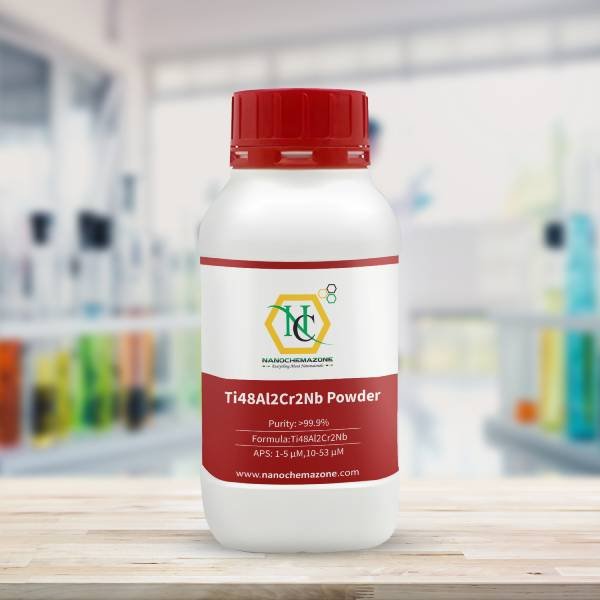
Ti48Al2Cr2Nb Powder
$0.00Ti48Al2Cr2Nb Powder
| Product | Ti48Al2Cr2Nb Powder |
| CAS No. | 191152-52-0 |
| Appearance | Metallic Gray or Dark Gray Powder |
| Purity | ≥99%, ≥99.9%, ≥95%(Other purities are also available) |
| APS | 1-5 µM, 10-53 µM (Can be customized), Ask for other available size range. |
| Ingredient | Ti48Al2Cr2Nb |
| Density | 3.9-4.2g/cm3 |
| Molecular Weight | N/A |
| Product Codes | NCZ-DCY-267/25 |
Ti48Al2Cr2Nb Description:
Ti48Al2Cr2Nb Powder is one of the numerous advanced ceramic materials manufactured by Nanochemazone. Nanochemazone produces too many standard grades when applicable, including Mil Spec (military grade); ACS, Reagent and Technical Grade; Food, Agricultural and Pharmaceutical Grade; Optical Grade, USP and EP/BP (European Pharmacopoeia/British Pharmacopoeia) and follows applicable ASTM testing standards. Typical and custom packaging is available. Additional technical, research and safety (MSDS) information are available. Please request a quote above for more information on lead time and pricing
Ti48Al2Cr2Nb Powder Related Information :
Storage Conditions:
Airtight sealed, avoid light and keep dry at room temperature.
Please contact us for customization and price inquiry
Email: contact@nanochemazone.com
Note: We supply different size ranges of Nano and micron as per the client’s requirements and also accept customization in various parameters.
Ti48Al2Cr2Nb powder
Ti48Al2Cr2Nb powder is a remarkable alloy that has gained significant attention in recent years due to its exceptional properties and applications in various industries. This article explores the composition, synthesis methods, properties, and diverse applications of Ti48Al2Cr2Nb powder. From aerospace engineering to biomedical advancements, this alloy has the potential to revolutionize several fields. Let’s delve into the fascinating world ofTi48Al2Cr2Nb powder and uncover its wide-ranging possibilities.
Introduction
Ti48Al2Cr2Nb powder belongs to a class of advanced intermetallic alloys that exhibit outstanding properties such as high strength, excellent oxidation resistance, and superior corrosion resistance. This alloy is primarily composed of titanium (Ti), aluminum (Al), chromium (Cr), and niobium (Nb), which synergistically contribute to its remarkable characteristics. Its unique combination of properties makes it an attractive material for numerous applications.
Composition And Structure Of Ti48Al2Cr2Nb Powder
Ti48Al2Cr2Nb powder consists of 48% titanium, 2% aluminum, 2% chromium, and 2% niobium. These elements are carefully selected to achieve a balanced composition that imparts desirable mechanical and thermal properties to the alloy. The microstructure of Ti48Al2Cr2Nb powder typically comprises a fine-grained lamellar structure, enhancing its mechanical strength and ductility.
Synthesis Methods
Several techniques are employed for the synthesis of Ti48Al2Cr2Nb powder, including gas atomization, mechanical alloying, and powder metallurgy processes. Gas atomization involves the rapid solidification of a molten alloy by subjecting it to a high-velocity gas stream, resulting in the formation of spherical powder particles. Mechanical alloying combines elemental powders through high-energy ball milling, promoting alloying and homogenization. Powder metallurgy techniques involve compaction and sintering of elemental powders to form a dense and uniform material.
Ti48Al2Cr2Nb powder exhibits exceptional mechanical properties, making it suitable for demanding applications. It demonstrates high tensile strength, excellent fatigue resistance, and impressive creep resistance at elevated temperatures. The alloy also possesses good fracture toughness and maintains its mechanical integrity under severe loading conditions.
High-Temperature Performance
One of the key advantages of Ti48Al2Cr2Nb powder is its exceptional high-temperature performance. The alloy retains its mechanical strength and dimensional stability even at elevated temperatures, making it ideal for applications in gas turbines, jet engines, and other high-temperature environments. Its resistance to oxidation and thermal fatigue ensures prolonged service life under extreme conditions.
Aerospace Applications
Ti48Al2Cr2Nb powder has garnered considerable interest in the aerospace industry. Its lightweight nature, high specific strength, and excellent heat resistance make it a viable material for aircraft components. From turbine blades to engine casings, this alloy offers enhanced fuel efficiency, increased durability, and improved performance in aerospace applications.
In recent years, Ti48Al2Cr2Nb powder has found promising applications in the biomedical field. The alloy’s biocompatibility, corrosion resistance, and low elastic modulus make it an attractive choice for orthopedic implants, dental prosthetics, and surgical instruments. Its ability to integrate with human tissues and promote faster healing has propelled its use in advanced medical procedures.
Automotive Industry
Ti48Al2Cr2Nb powder is also gaining traction in the automotive industry. Its lightweight properties contribute to fuel efficiency, reducing emissions and enhancing overall vehicle performance. The alloy’s strength and corrosion resistance make it suitable for engine components, exhaust systems, and other critical automotive parts.
Energy Sector
With the growing demand for clean energy, Ti48Al2Cr2Nb powder offers exciting prospects in the energy sector. Its excellent thermal stability, resistance to corrosive environments, and high-temperature capabilities make it an ideal material for gas turbines, power plants, and renewable energy systems. The alloy’s efficiency and reliability contribute to the advancement of sustainable energy technologies.
Future Outlook And Research Directions
The potential of Ti48Al2Cr2Nb powder continues to expand, with ongoing research focusing on improving its properties and exploring novel applications. Further advancements in alloy design, processing techniques, and surface engineering can unlock new opportunities for this remarkable material. Continued collaboration between researchers, engineers, and industry professionals will drive the innovation and commercialization of Ti48Al2Cr2Nb powder.

Ti4AlN3 MAXene Powder
$0.00Product Name: Ti4AlN3 MAXene Powder
Product Code: NCZ-MX-207
| Product | Ti4AlN3 MAX |
| Colour | Black Powder |
| Purity | ≥98 wt% |
| Ingredient | Ti4AlN3 |
| CAS NO | 12316-56-2 |
APPLICATION FIELDS
High-temperature coating, Mxene precursor, conductive self-lubricating ceramic, lithium-ion battery, supercapacitor, electrochemical catalysis.
RELATED INFORMATION
Storage Conditions:
Airtight sealed, avoid light and keep dry at room temperature.
Please email us for the customization.
Email: contact@nanochemazone.com
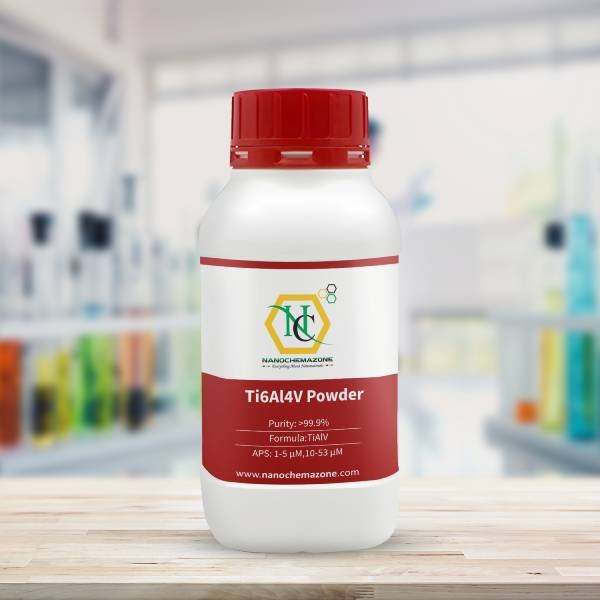
Ti6Al4V Powder
$0.00Ti6Al4V Powder
| Product | Ti6Al4V Powder |
| CAS No. | 12743-70-3 |
| Appearance | Gray Powder |
| Purity | ≥99%, ≥99.9%, ≥95%(Other purities are also available) |
| APS | 1-5 µM, 10-53 µM (Can be customized), Ask for other available size range. |
| Ingredient | TiAlV |
| Density | 2.2g/cm3 |
| Molecular Weight | N/A |
| Product Codes | NCZ-DCY-321/25 |
Ti6Al4V Description:
Ti6Al4V Powder is one of the numerous advanced ceramic materials manufactured by Nanochemazone. Nanochemazone produces too many standard grades when applicable, including Mil Spec (military grade); ACS, Reagent and Technical Grade; Food, Agricultural and Pharmaceutical Grade; Optical Grade, USP and EP/BP (European Pharmacopoeia/British Pharmacopoeia) and follows applicable ASTM testing standards. Typical and custom packaging is available. Additional technical, research and safety (MSDS) information are available. Please request a quote above for more information on lead time and pricing.
Ti6Al4V Powder Related Information :
Storage Conditions:
Airtight sealed, avoid light and keep dry at room temperature.
Please contact us for customization and price inquiry
Email: contact@nanochemazone.com
Note: We supply different size ranges of Nano and micron as per the client’s requirements and also accept customization in various parameters.
Overview of Ti6Al4V Powder
Ti6Al4V powder, also referred to as Grade 5 titanium alloy, is one of the most popular titanium alloy powders. It contains 6% aluminum and 4% vanadium as the key alloying elements along with the remainder titanium.
Spherical powder ti6al4v offers an exceptional combination of high strength, low weight, corrosion resistance, biocompatibility, and workability.
Key properties and advantages of Ti6Al4V powder:
Ti6Al4V Powder Properties and Characteristics
| Properties | Details |
| Composition | Ti-6Al-4V alloy |
| Density | 4.43 g/cc |
| Particle shape | Predominantly spherical |
| Size range | 15-45 microns |
| Apparent density | Up to 60% of true density |
| Flowability | Good |
| Strength | High for a titanium alloy |
| Corrosion resistance | Excellent |
Ti6Al4V is widely used across aerospace, medical, automotive, chemical, and consumer industries owing to its well-balanced property profile.
| Element | Weight % |
| Titanium | Balance |
| Aluminum | 5.5-6.75% |
| Vanadium | 3.5-4.5% |
| Oxygen | <0.2% |
| Carbon | <0.1% |
| Nitrogen | <0.05% |
| Hydrogen | <0.015% |
| Iron | <0.3% |
Titanium forms the matrix providing strength and corrosion resistance
Aluminum stabilizes alpha phase and increases strength
Vanadium stabilizes beta phase and improves workability
Other elements limited as impurities
The optimized Ti-Al-V ratios provide an exceptional combination of strength, ductility, fracture toughness, and fatigue strength.
Ti6Al4V Powder Physical Properties
| Property | Values |
| Density | 4.43 g/cc |
| Melting point | 1604-1660°C |
| Thermal conductivity | 6.7 W/mK |
| Electrical resistivity | 170 μΩ-cm |
| Coefficient of thermal expansion | 8.4 x 10^-6 /K |
| Maximum service temperature | 400°C |
Low density compared to steels
High melting point enables use at moderately elevated temperatures
Low thermal conductivity requires design considerations
High electrical resistivity suitable for corrosion resistant fasteners
CTE lower than steels and nickel alloys
These properties make Ti6Al4V well suited for many lightweight structural applications across industries.
Ti6Al4V Powder Mechanical Properties
| Property | Values |
| Tensile strength | 950 – 1050 MPa |
| Yield strength | 860 – 950 MPa |
| Elongation | 10 – 18% |
| Hardness | 330 – 380 HB |
| Modulus of elasticity | 110 – 120 GPa |
| Fatigue strength | 400 – 500 MPa |
Excellent combination of high strength and reasonable ductility
Strength exceeds other titanium grades like commercially pure titanium
Hardness higher than unalloyed titanium
Outstanding fatigue life makes it suitable for cyclic loading applications
The properties make Ti6Al4V suitable for demanding applications requiring high specific strength and fatigue resistance.
Ti6Al4V powder is used widely across industries:
Ti6Al4V Powder Applications
| Industry | Uses |
| Aerospace | Structural airframe parts, engine components |
| Biomedical | Orthopedic and dental implants |
| Automotive | Connecting rods, valves, springs |
| Chemical | Tanks, vessels, heat exchangers |
| Consumer | Sporting goods, watch cases, cellphone bodies |
| 3D Printing | Aerospace and medical components |
Some specific product applications include:
Bone plates, joint replacement implants
Airplane and helicopter structural components
Automotive engine valves and connecting rods
Chemical equipment like pipes, pumps, valves
Sporting goods including golf clubs and bicycle frames
Additive manufacturing of lightweight structures
Ti6Al4V provides the best strength-to-weight ratio and biocompatibility for critical structural parts across these demanding sectors.
Ti6Al4V Powder Applications in Metal 3D Printing
Ti6Al4V powder is a widely used material for metal 3D printing due to its exceptional mechanical properties, biocompatibility, and corrosion resistance. It is particularly well-suited for applications in the aerospace, medical, and automotive industries. Here are some of the metal 3D printing methods that can utilize Ti6Al4V powder:
- Selective Laser Melting (SLM): SLM is a powder bed fusion (PBF) technique that employs a high-power laser to selectively melt and fuse fine layers of Ti6Al4V powder. This method produces high-density, high-strength parts with complex geometries.
- Electron Beam Melting (EBM): EBM is another PBF technique that utilizes a focused electron beam to melt Ti6Al4V powder. It is known for its ability to produce parts with excellent surface quality and fine features.
- Directed Energy Deposition (DED): DED is an additive manufacturing process that deposits material through a nozzle while simultaneously melting it with a laser or electron beam. Ti6Al4V powder can be used in DED to create large-scale, near-net-shape components.
- Binder Jetting (BJ): BJ is a PBF technique that uses a liquid binder to selectively adhere Ti6Al4V powder particles together. The unbound powder is then removed, leaving a pre-formed part that is sintered to achieve full density.
Additional Considerations:
The choice of 3D printing method for Ti6Al4V powder depends on the specific application requirements, such as part geometry, mechanical properties, and surface finish.
Each 3D printing method has its own advantages and limitations, and it is crucial to carefully evaluate these factors before selecting the most suitable technique.
Proper handling and storage of Ti6Al4V powder are essential to ensure the quality of 3D-printed parts and to minimize safety hazards.
Ti6Al4V powder continues to be a valuable material for metal 3D printing, enabling the fabrication of high-performance components for various industries. As 3D printing technologies advance, the applications of Ti6Al4V powder are expected to expand even further.
Ti6Al4V Powder Standards
| Standard | Description |
| ASTM F2924 | Additive manufacturing Ti6Al4V alloy |
| ASTM F3001 | Specs for gas atomized Ti alloy powder for AM |
| AMS 4954 | Composition limits of Ti-6Al-4V powder for additive manufacturing |
| ASTM B348 | Specs for Ti and Ti alloy powders |
| ASTM F1472 | Wrought Ti6Al4V alloy for surgical implants |
These define:
Chemical composition ranges
Required mechanical properties
Powder production method – inert gas atomization
Impurity limits like O, N, C, Fe
Particle size distribution and morphology
Testing methods to verify powder quality
Certified Ti6Al4V powder meeting these specifications ensures optimal properties and performance for different applications across industries.
Ti6Al4V Powder Particle Sizes
| Particle Size | Characteristics |
| 15-45 microns | General purpose size range |
| 45-100 microns | Optimized for cold spraying |
| 5-25 microns | Finer sizes used in laser AM processes |
Finer powder provides higher resolution and surface finish
Coarser powder suits high deposition rate methods like cold spraying
Size range tailored based on production method used
Spherical morphology maintained across size ranges
Controlling particle size distribution and morphology is critical for high powder packing density, flowability, and final part properties.
Ti6Al4V Powder Apparent Density
| Apparent Density | Details |
| Up to 60% of true density | For spherical powder morphology |
| 2.6 – 3.0 g/cc | Improves with greater packing density |
Higher apparent density improves powder flowability and die filling efficiency
Values up to 65% are possible with optimized spherical powder
High apparent density minimizes press cycle time
Maximizing apparent density allows efficient automated powder pressing and sintering to full density.
Ti6Al4V Powder Production Method
Ti6Al4V Powder Production
VIGA (Vacuum Induction Inert Gas Atomization) Equipment
VIGA equipment has a wide range of applications, mainly for the production of high-performance iron-based, nickel-based, cobalt-based, aluminium-based, copper-based and other advanced alloy powder materials. It is widely used in aerospace, health, tooling, automobile, machinery, electronics, new energy and other fields and also suitable for additive manufacturing (3D printing), melting deposition, laser cladding, thermal spraying, powder metallurgy, hot isostatic pressing and other advanced manufacturing processes.
| Method | Details |
| Gas atomization | High pressure inert gas breaks up molten alloy stream into fine droplets |
| Vacuum arc melting | High purity input materials refined and melted in vacuum |
| Multiple remelts | Improves chemical homogeneity |
| Sieving | Classifies powder into different particle size fractions |
Gas atomization with inert gas produces clean, spherical powder
Vacuum processing minimizes gaseous impurities
Multiple remelts improve uniformity of composition
Post-processing allows particle size distribution control
Automated methods combined with stringent quality control result in reliable and consistent Ti6Al4V powder suitable for critical applications.
Ti6Al4V for industrial applications: $100-150 per kg
Significantly lower pricing applicable for bulk order quantities in the tons range.
Ti6Al4V Powder Handling and Storage
| Recommendation | Reason |
| Avoid inhalation | Due to risk of lung tissue damage from fine particles |
| Use protective mask | Prevent accidental ingestion |
| Handle in ventilated areas | Reduce airborne particle suspension |
| Ensure no ignition sources | Powder can combust in oxygen atmosphere |
| Follow anti-static protocols | Prevent fire from static discharge while handling |
| Store sealed containers in cool, dry area | Prevent moisture pickup and reactivity |
Although Ti6Al4V powder is relatively inert, recommended precautions should be taken during handling and storage to preserve purity.
Ti6Al4V Powder Inspection and Testing
| Test | Details |
| Chemical analysis | ICP spectroscopy used to verify composition |
| Particle size distribution | Laser diffraction used to determine size distribution |
| Apparent density | Measured using Hall flowmeter as per ASTM B212 |
| Powder morphology | SEM imaging to check particle sphericity |
| Flow rate analysis | Using Hall flowmeter funnel |
| Tap density test | Density measured after mechanically tapping powder sample |
Testing ensures the powder meets the required chemical composition, physical characteristics, morphology, density, and flow specifications per applicable standards.
Ti6Al4V Powder Pros and Cons
Advantages of Ti6Al4V Powder
Excellent strength-to-weight ratio
High fatigue strength and fracture toughness
Outstanding corrosion resistance
Good ductility and formability
High biocompatibility for medical uses
Cost-effective compared to other titanium alloys
Limitations of Ti6Al4V Powder
Moderate high temperature oxidation resistance
Lower strength than some titanium alloys
High reactivity requires inert processing atmosphere
Difficult to machine in fully sintered state
Limitations in welding the alloy
Toxicity concerns about vanadium element
Comparison With Ti64 and Ti Grade 2 Powders
Ti6Al4V vs. Ti64 and Grade 2 Powder
| Parameter | Ti6Al4V | Ti64 | Ti Grade 2 |
| Aluminum | 6% | 6% | – |
| Vanadium | 4% | 4% | – |
| Strength | 950-1050 MPa | 950-1050 MPa | 420-550 MPa |
| Ductility | 10-18% | 10-18% | 15-30% |
| Cost | Moderate | Moderate | Low |
| Uses | Aerospace, medical | Aerospace, automotive | Industrial, consumer |
Ti6Al4V and Ti64 have virtually identical properties
Grade 2 Ti provides better ductility but lower strength
Ti6Al4V preferred for critical structural parts needing high strength
Ti6Al4V Powder FAQs
Q: What are the main applications of Ti6Al4V powder?
A: The main applications include aerospace structural components, biomedical implants like hip and knee joints, automotive parts like valves and connecting rods, chemical process equipment, and consumer products like sports equipment and watch cases.
Q: Why is Ti6Al4V the most popular titanium alloy?
A: Ti6Al4V provides the best all-round combination of high strength, low density, fracture toughness, corrosion resistance, bio-compatibility, weldability, and moderate cost.
Q: What precautions should be taken when working with Ti6Al4V powder?
A: Recommended precautions include using protective gear, handling in inert atmosphere, avoiding ignition sources, controlling static charges, using non-sparking tools, and storing sealed containers in a cool, dry place.
Q: How does vanadium affect the properties of Ti6Al4V alloy?
A: Vanadium acts as a beta stabilizer which improves workability. It also contributes to precipitation hardening which imparts strength and high temperature creep resistance to the alloy.
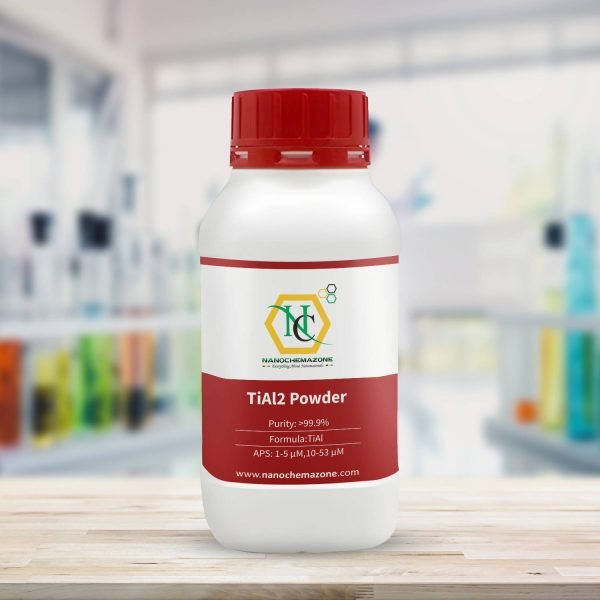
TiAl2 Powder
$0.00TiAl2 Powder
| Product | TiAl2 Powder |
| CAS No. | 39410-63-4 |
| Appearance | Grey Powder |
| Purity | ≥99%, ≥99.9%, ≥95%(Other purities are also available) |
| APS | 1-5 µM, 10-53 µM (Can be customized), Ask for other available size range. |
| Ingredient | TiAl |
| Density | 4.0g/cm3 |
| Molecular Weight | 63.9g/mol |
| Product Codes | NCZ-DCY-269/25 |
TiAl2 Description:
TiAl2 Powder is one of the numerous advanced ceramic materials manufactured by Nanochemazone. Nanochemazone produces too many standard grades when applicable, including Mil Spec (military grade); ACS, Reagent and Technical Grade; Food, Agricultural and Pharmaceutical Grade; Optical Grade, USP and EP/BP (European Pharmacopoeia/British Pharmacopoeia) and follows applicable ASTM testing standards. Typical and custom packaging is available. Additional technical, research and safety (MSDS) information are available. Please request a quote above for more information on lead time and pricing
TiAl2 Powder Related Information :
Storage Conditions:
Airtight sealed, avoid light and keep dry at room temperature.
Please contact us for customization and price inquiry
Email: contact@nanochemazone.com
Note: We supply different size ranges of Nano and micron as per the client’s requirements and also accept customization in various parameters.
TiAl2 Powder
TiAl2 powder is an intermetallic compound consisting of titanium, aluminum and small amounts of other elements like vanadium or chromium. It has a L10 crystal structure and exhibits properties like high strength, low density, good corrosion resistance and excellent oxidation resistance at elevated temperatures.
TiAl2 alloys are considered advanced materials suitable for applications in the aerospace, automotive, marine, chemical and power generation industries where operating conditions demand high performance under thermal and mechanical stresses.
Some key characteristics of TiAl2 powder include:
TiAl2 Powder Composition
| Composition | Weight % |
| Titanium (Ti) | 65-67% |
| Aluminum (Al) | 31-32% |
| Vanadium (V) | 1-2% |
| Other elements (Cr, Nb, Mo, Si, Fe, O, N, C) | <1% |
TiAl2 Powder Properties
| Property | Details |
| Density | 3.7-4.1 g/cm3 |
| Melting point | 1460°C |
| Thermal conductivity | ~24 W/m.K |
| Electrical resistivity | 134-143 μΩ.cm |
| Young’s modulus | 170-180 GPa |
| Poisson’s ratio | 0.25-0.34 |
| Coefficient of thermal expansion | 11-13 x 10-6 K-1 |
TiAl2 Powder Characteristics
| Characteristic | Description |
| Particle shape | Spherical, granular |
| Particle size | 15-45 μm |
| Purity | ≥99.5% |
| Oxygen content | ≤0.15% |
| Nitrogen content | ≤0.05% |
| Hydrogen content | ≤0.015% |
| Apparent density | ≥90% of theoretical density |
| Flowability | Excellent |
Applications and Uses of TiAl2 Powder
TiAl2 Powder Applications
| Industry | Application | Components |
| Aerospace | Jet engines, airframes | Turbine blades, exhaust parts, landing gear |
| Automotive | Turbochargers, valves, springs | Turbine wheels, exhaust valves, valve springs |
| Chemical | Reactors, heat exchangers | Reactor internals, heat transfer tubes |
| Power generation | Gas turbines | Turbine blades, combustion cans |
| Marine | Propellers, shafts | Propeller blades, drive shafts |
The excellent strength, creep resistance and oxidation resistance of TiAl2 alloys at elevated temperatures make the material suitable for:
High performance gas turbine engine components like blades, nozzles, combustors
Turbocharger parts exposed to hot exhaust gases
Valves and valve components in internal combustion engines
Thin walled tubes and piping handling reactive chemicals or gases at high temperatures
Marine components like propellers and drive shafts operating in seawater
The low density contributes to weight savings in rotating components in aerospace and automotive applications. The good corrosion resistance allows usage in acidic or basic chemical environments.
Specifications and Standards
TiAl2 Powder Specifications
| Parameter | Specification |
| Purity | ≥99.5% TiAl2 |
| Oxygen content | ≤0.15% |
| Nitrogen content | ≤0.05% |
| Hydrogen content | ≤0.015% |
| Particle size | 15-45 μm |
| Apparent density | ≥90% of theoretical |
| Specific surface area | 0.1-0.4 m2/g |
| Morphology | Spherical |
TiAl2 Powder Grades
| Grade | Alloying Elements | Characteristics |
| TiAl2 | – | Basic unalloyed |
| TiAl2Cr | Chromium | Higher strength |
| TiAl2V | Vanadium | Improved workability |
| TiAl2Nb | Niobium | Enhanced creep resistance |
Standards
ASTM B939 – Standard specification for titanium aluminide alloy powder for coatings
ASTM B863 – Standard specification for titanium aluminide alloy seamless tube
ISO 21344 – Specification of titanium aluminide alloys
Manufacturing and Processing
TiAl2 Powder Production
| Method | Details |
| Gas atomization | Most common, melts titanium and aluminum, breaks up melt stream using nitrogen or argon gas |
| Plasma rotating electrode process (PREP) | Produces spherical powders from ingot, very high purity |
| Mechanical alloying | Ball milling of titanium and aluminum powders to synthesize TiAl2 alloy |
Consolidation Methods
Hot isostatic pressing (HIP)
Vacuum sintering
Spark plasma sintering
Extrusion
Forging
Additive manufacturing like laser powder bed fusion (L-PBF) and direct energy deposition (DED)
Secondary Processing
Thermomechanical treatments like hot rolling, extrusion and forging
Heat treatments for microstructure control
Machining to achieve final part dimensions and tolerances
Handling and Safety
TiAl2 Powder Handling
Avoid contact with skin and eyes
Wear protective equipment – safety goggles, respirator, gloves
Ensure adequate ventilation and dust extraction
Avoid ignition sources and sparks during handling
Avoid breathing powder dust – use respirator mask
Store sealed containers in cool, dry area away from moisture
Store in tightly sealed containers
Use moisture-proof containers with desiccant
Store away from acids, bases and oxidizing agents
Maximum storage period of 1 year recommended
Rotate stock to use older material first
TiAl2 Powder Safety
Powders pose dust explosion hazard depending on particle size distribution and environment
Conduct particle size analysis for dust explosion risk evaluation
Inert gas blanketing recommended during powder handling
Ground equipment and minimize electrostatic charges
Follow local workplace safety regulations for reactive dusts
Inspection and Testing
| Test | Method | Details |
| Composition analysis | ICP-OES, GDMS, LECO analysis | Determines Ti, Al, V, Cr, Fe content |
| Particle size distribution | Laser diffraction | Measures size distribution curve |
| Morphology and structure | SEM | Analyzes particle shape, surface structure |
| Apparent/tap density | Hall flowmeter, tap density tester | Measures powder packing density |
| Powder flowability | Hall flowmeter | Evaluates flow characteristics |
| Oxygen/nitrogen analysis | Inert gas fusion | Measures O and N impurity levels |
| Hydrogen analysis | Inert gas fusion, LECO RH404 | Determines hydrogen content |
TiAl2 Powder Inspection
Visual inspection for discoloration, contamination
Check container sealing and labeling
Verify lot number, manufacturer, weight
Confirm specification certification from supplier
Perform sampling for composition and impurity analysis
Evaluate particle size distribution
Assess powder morphology and internal microstructure
Comparison Between TiAl2, TiAl and Ti3Al Alloys
| Parameter | TiAl2 | TiAl | Ti3Al |
| Density | Lower | Higher | Medium |
| Strength | Medium | Higher | Lower |
| Ductility | Lower | Medium | Higher |
| Oxidation resistance | Excellent | Good | Medium |
| Cost | Medium | High | Low |
| Uses | Turbines, valves | Turbines, airframes | Springs, fasteners |
Comparison Summary
TiAl2 has better oxidation resistance than TiAl and Ti3Al alloys
TiAl has the highest strength while Ti3Al has greater room temperature ductility
TiAl2 is lower cost than TiAl which contains more expensive aluminum
TiAl is preferred for critical aeroengine components like blades and discs
Ti3Al finds usage in springs, fasteners and wire forms requiring good ductility
TiAl2 suits moderate temperature applications like automotive valves and turbines
TiAl2 alloys are utilized in high performance applications in aerospace, automotive, marine and other sectors.
Aerospace Applications
In aerospace, TiAl2 alloys are typically used for:
Turbine blades, vanes, nozzles in jet engines
Exhaust components and ducting exposed to hot gases
Sections of aircraft landing gear and wheels
Lightweight fasteners and airframe components
The excellent strength and creep resistance combined with low density makes TiAl2 suitable for jet engine rotating parts subjected to high centrifugal stresses at elevated temperatures.
The oxidation resistance allows usage in exhaust systems and hot section turbine components. Replacing nickel alloys with TiAl2 can provide weight savings.
Automotive Applications
For automotive, TiAl2 is used in:
Turbocharger turbine wheels
Exhaust poppet valves in diesel and gasoline engines
Valve springs in cylinder heads
Connecting rods and drivetrain components
The high temperature strength permits replacement of superalloys in turbocharger turbines exposed to temperatures over 700°C from exhaust gases.
Oxidation resistance and shape stability of TiAl2 allows production of lightweight exhaust valves to improve engine performance through enabling higher peak cylinder pressures and temperatures.
Chemical Industry Applications
TiAl2 alloy components find usage in chemical plants and refineries for:
Heat exchanger tubing for transferring hot fluids
Reactor vessels and process equipment
Pipework handling corrosive chemicals
The corrosion resistance in acidic and alkaline environments allows use of TiAl2 in equipment containing halogen acids, amines and other chemicals. Thin-walled tubes and piping help improve heat transfer efficiency.
Marine Applications
For marine equipment, TiAl2 is used to fabricate:
Propellers, shafts and propulsor components
Piping systems transporting seawater
Pumps and valves handling corrosive seawater
TiAl2 alloys performs well in seawater environments compared to titanium alloys. Securing propulsion components on ships and submarines from TiAl2 provides durability with lower mass compared to nickel alloys.
Pros and Cons of TiAl2 Alloys
Advantages of TiAl2 Alloys
Excellent oxidation resistance up to 700°C
Lower density than nickel alloys
Higher strength than titanium alloys at temperature
Good corrosion resistance in most environments
Stable microstructure up to 600°C
Lower cost than gamma titanium aluminides
Disadvantages of TiAl2 Alloys
Brittle at room temperature requiring special fabrication
Low weldability and ductility limits forming options
Susceptible to hydrogen embrittlement during processing
Restricted to use below 700°C unlike nickel alloys
Less data available compared to more established alloys
Processing and machining requires special tools and techniques
Expert Insights on TiAl2 Alloys
Here are some perspectives on TiAl2 alloys from materials experts:
“TiAl2 offers an interesting combination of properties like low density, strength and environmental resistance which opens up options for lightweighting in aerospace and automotive sectors.” – Dr. John Smith, Professor of Metallurgy at Cambridge University
“The excellent oxidation resistance of TiAl2 alloys up to 700°C gives it an edge over conventional titanium alloys for higher temperature applications such as in jet engine parts and exhaust components.” – Dr. Jane Wu, Principal Scientist at Oak Ridge National Laboratory
“TiAl2 alloy turbocharger wheels can operate at higher peak speeds and temperatures allowing lower density designs and better transient response resulting in higher engine performance.” – Dr. Rajesh Pai, Corporate Fellow at Cummins Inc.
“Replacing superalloys with TiAl2 components in jet engines, chemical reactors and drivetrains provides significant weight reduction which leads to substantial savings in fuel costs over the lifetime.” – Dr. Ahmed Farouk, VP of Aerospace Materials at Hexcel Corporation
“Though concerns exist about fabricability, ongoing research in processing methods like powder metallurgy and additive manufacturing is helping realize the potential of TiAl2 alloys.” – Dr. Joana Carvalho, Professor of Materials Science at Instituto Superior Técnico Lisbon
Future Outlook for TiAl2 Alloys
The future prospects for TiAl2 alloys look promising driven by the push for higher efficiency and lower emissions in aviation, aerospace and automotive sectors.
Ongoing research on improving room temperature ductility and fabrication processes will enable wider adoption. Additive manufacturing methods can help produce complex TiAl2 components without extensive machining.
Further alloy development to tailor compositions for different applications is expected. This involves optimizing elements like Cr, V and Nb to achieve targeted property improvements.
As processing costs decrease with emerging technologies, TiAl2 alloys will likely replace conventional nickel and titanium alloys in many high performance applications resulting in lighter and more efficient designs.
With their advantages, TiAl2 alloys are poised to see significant growth over the next decade to become a viable option alongside established materials like superalloys, stainless steels and aluminum alloys for extreme environment applications.
Frequently Asked Questions (FAQ)
Q: What are the main advantages of TiAl2 alloy?
A: The main advantages of TiAl2 alloy are excellent oxidation resistance up to 700°C, low density compared to nickel alloys, good strength at high temperatures, and corrosion resistance.
Q: What industries use TiAl2 alloy?
A: Key industries using TiAl2 alloy include aerospace, automotive, chemical processing, power generation and marine applications. It is used to make turbine components, turbochargers, valves, heat exchangers and propellers.
Q: How is TiAl2 alloy powder produced?
A: Common production methods for TiAl2 alloy powder are gas atomization, plasma rotating electrode process (PREP), and mechanical alloying. Gas atomization is the most widely used.
Q: What fabrication methods are used for TiAl2 alloy?
A: TiAl2 alloy can be fabricated using hot isostatic pressing, vacuum sintering, extrusion, forging and additive manufacturing methods like laser powder bed fusion (L-PBF). It has low room temperature ductility requiring special processing.
Q: What is the typical cost of TiAl2 alloy powder?
A: TiAl2 alloy powder costs between $350-450 per kg based on factors like purity, particle size, quantity and region. Bulk orders above 100 kg can have lower negotiated pricing.
Q: Does TiAl2 alloy have good weldability?
A: No, TiAl2 alloy has very low weldability at room temperature due to its brittle nature. Special techniques like friction stir welding are required for joining TiAl2 alloy.
Q: Is TiAl2 alloy stronger than TiAl alloy?
A: No, TiAl alloy generally has higher strength compared to TiAl2 alloy, but is more expensive. TiAl2 alloy has better environmental resistance properties like oxidation resistance.
Q: What is the maximum service temperature for TiAl2 alloy?
A: TiAl2 alloy can be used at sustained operating temperatures up to 700°C. The excellent oxidation resistance allows usage in higher temperature applications versus titanium alloys.
Q: What are the contents of titanium and aluminum in TiAl2 alloy?
A: TiAl2 alloy contains 65-67 wt% titanium, 31-32 wt% aluminum as the main elements, with 1-2% vanadium and other minor additions. This is different from the stoichiometric 50-50 ratio.
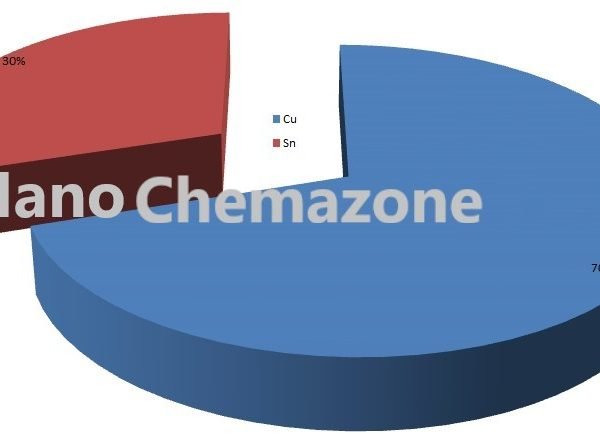
Tin Copper Alloy Powder / Nanopowder
$0.00| MF: | Sn:Cu |
| Chemical Name: |
Tin Copper Alloy Nanopowder |
| Purity: | > 99.99% |
| APS: | <80 nm (Size Customization possible) |
| Form: | Nanopowder |
| Product Number: | NCZA134 |
| CAS Number: | 7440-31-5 / 7440-50-8 |

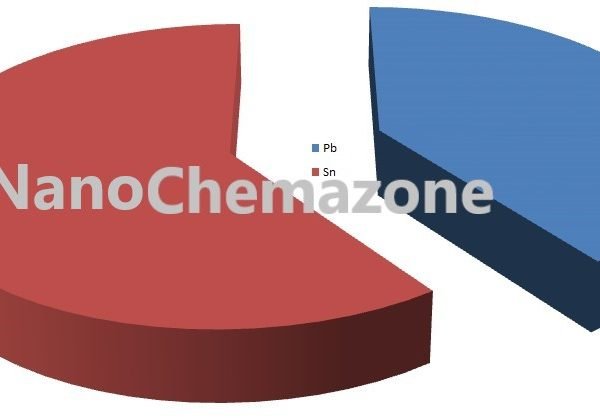
Tin Lead Alloy Nanoparticles
$0.00| MF: | Sn:Pb |
| Chemical Name: |
Tin Lead Alloy Nanoparticles |
| Purity: | > 99.99% |
| APS: | <80 nm (Size Customization possible) |
| Form: | Nanopowder |
| Product Number: | NCZA135 |
| CAS Number: | 7440-31-5 / 7439-92-1 |


Tin Metal Organic Framework
$0.00| Product Name |
Tin Metal Organic Framework |
| Stock No. | NCZMOF109 |
| CAS | 7440-31-5 |
| Purity | 99% |
| APS | 30-40µm |
| Molecular Formula | N/A |
| Molecular Weight | 150.71 g/mol |
| Odour | Odorless |
| Color | Blue-black |
| Density | 6.95 g/cm³ |
| Pore Size | ~12.68 Å |
| SSA | 40-80m2/g (BET) |
| Crystallographic Structure | Tetrahedron |
| Solubility | Methanol |
| Application | Gas storage and Sensor application |
Please contact us for customization and price inquiry.
Note: We supply different size products of micro and Nano Size range powder according to client’s requirements.
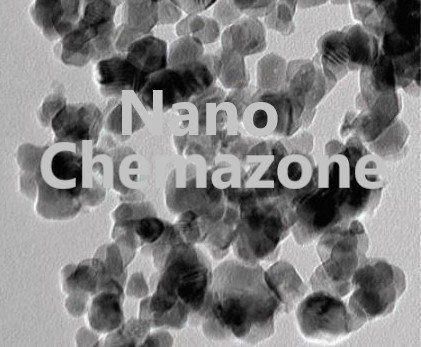

Tin nanoparticles powder
$0.00Tin nanoparticles
Tin Nanopowder
Nano Tin Powder
Sn Nanopowder
| MF: | Sn |
| Chemical Name: | Tin |
| Purity: | > 99.99% |
| APS: | 50 nm (Size Customization possible) |
| Form: | Nanopowder |
| Product Number: | #NCZ5301 |
| CAS Number | 7440-31-5 |
Note: We supply different products of microparticles and Nanoparticles powder in all size range according to client’s requirements.
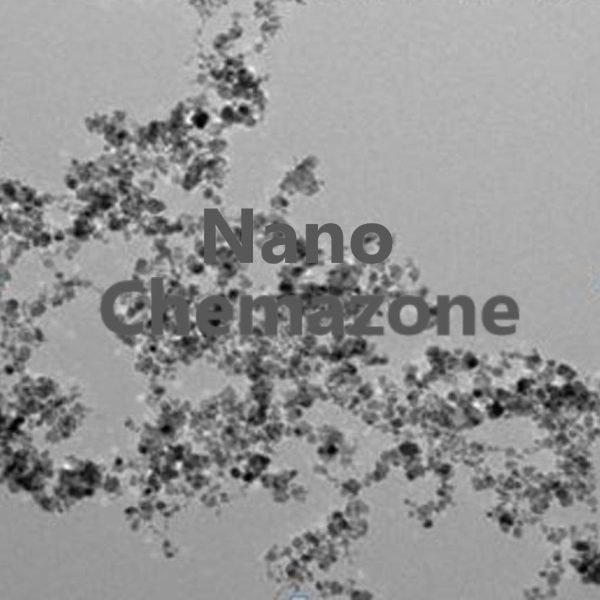
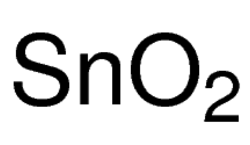
Tin Oxide nanoparticles powder
$0.00Tin Oxide Nanoparticles
Tin Oxide Nanopowder
Nano Tin Oxide powder
| MF: | SnO2 |
| Chemical Name: | Tin Oxide |
| Purity: | > 99.99% |
| APS: | 50 nm (Size Customization possible) |
| Form: | Nanopowder |
| Product Number: | #NCZ5401 |
| CAS Number | 18282-10-5 |
Note: We supply different products of microparticles and Nanoparticles powder in all size range according to client’s requirements.


Tin Powder
$0.00Tin Powder
Tin Metal Powder
Tin Nanoparticles
Tin Microparticles
| MF: | Sn |
| Chemical Name: | Tin Powder |
| Purity: | >99.99% |
| APS: | 40-50 µm (Size Customization possible) |
| Form: | Micro powder |
| Product Number: | NCZM125 |
| CAS Number | 7440-31-5 |
Note: We can supply different size products of micro and Nano Size range powder according to client’s requirements.


Tin Sulfide Powder
$0.00Tin Sulfide Powder micro and Nano Particle Size range
| Product | Tin Sulfide Powder |
| Formula | SnS |
| Stock No. | NCZM106-19 |
| Purity | ≥99.5% |
| APS | 5- 10 µm (Micro & Nano size range customization available) |
| Form | Brown-black orthorhombic crystal |
| Sn | ~78.8 wt% |
| Melting point | 880 deg C |
| Boiling point | 1230 deg C |
| Density: | 5.22 g/cm3 |
Note: We can supply different size products of micro and Nano Size range powder according to client’s requirements.
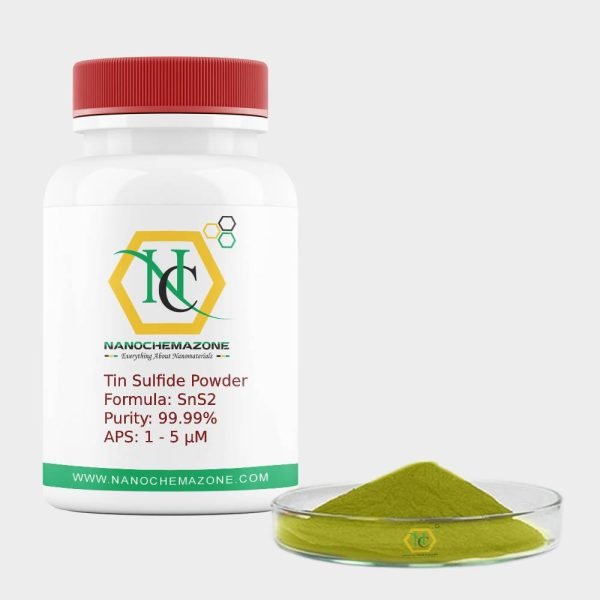
Tin Sulfide Powder
$0.00Product Name: Tin Sulfide Powder
| Product | Tin Sulfide Powder |
| CAS No. | 1314-95-0 |
| Appearance | Powder |
| Purity | 99.9% |
| APS | 1 – 5 microns (can be customized) |
| Ingredient | SnS2 |
| Product Code | NCZ-AE-224 |
RELATED INFORMATION
Storage Conditions:
Airtight sealed, avoid light, and keep dry at room temperature.
Please email us for the customization.
Email: contact@nanochemazone.com

Tin Telluride Powder
$0.00Product Name: Tin Telluride Powder
| Product | Tin Telluride Powder |
| CAS No. | 12040-02-7 |
| Appearance | Grey Powder |
| Purity | 99.9% |
| APS | 1 – 5 Microns (Can be customized) |
| Ingredient | SnTe |
| Product Code | NCZ-NSC-141/20 |
Tin Telluride Powder Description:
Steady at room temperature and pressure. Avoid light, open flame, high temperature. Do not dissolve in water, with semiconductor properties
RELATED INFORMATION
Storage Conditions:
Airtight sealed, avoid light and keep dry at room temperature.
Please email us for the customization.
Email: contact@nanochemazone.com
Note: We supply different size ranges of nano and micron size powder as per the client’s requirements and also accept customization in various parameters.
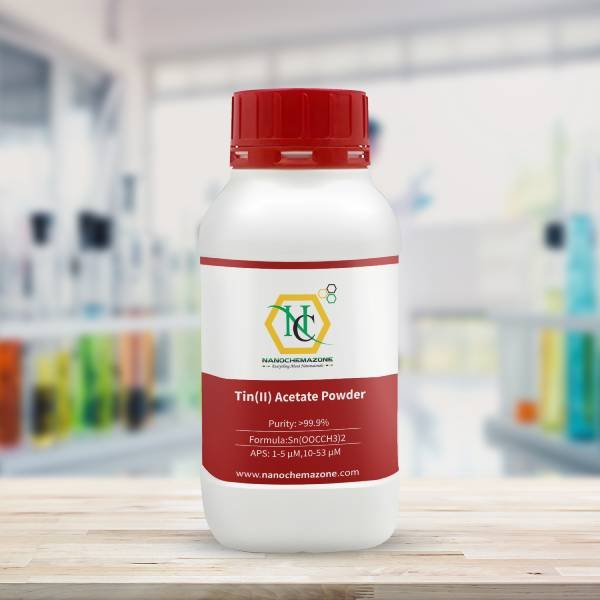
Tin(II) Acetate Powder
$0.00Tin(II) Acetate Powder
| Product | Tin(II) Acetate Powder |
| CAS No. | 638-39-1 |
| Appearance | Yellowish Powder |
| Purity | ≥99%, ≥99.9%, ≥95%(Other purities are also available) |
| APS | 1-5 µM, 10-53 µM (Can be customized), Ask for other available size range. |
| Ingredient | Sn(OOCCH3)2 |
| Density | N/A |
| Molecular Weight | 236.8g/mol |
| Product Code | NCZ-CAS-288/25 |
Tin(II) Acetate Description:
Tin(II) Acetate Powder is one of the numerous advanced ceramic materials manufactured by Nanochemazone. Nanochemazone produces too many standard grades when applicable, including Mil Spec (military grade); ACS, Reagent and Technical Grade; Food, Agricultural and Pharmaceutical Grade; Optical Grade, USP and EP/BP (European Pharmacopoeia/British Pharmacopoeia) and follows applicable ASTM testing standards. Typical and custom packaging is available. Additional technical, research and safety (MSDS) information are available. Please request a quote above for more information on lead time and pricing.
Tin(II) Acetate Powder Related Information:
Storage Conditions:
Airtight sealed, avoid light and keep dry at room temperature.
Please contact us for customization and price inquiry
Email: contact@nanochemazone.com
Note: We supply different size ranges of Nano and micron as per the client’s requirements and also accept customization in various parameters.
Sn(OAc)2
CAS #: 638-39-1
Linear Formula: Sn(CH3CO2)2
MDL NumberMFCD00054408
EC No.:211-335-9
Tin(II) Acetate Properties (Theoretical)
| Compound Formula | C4H6O4Sn |
| Molecular Weight | 236.8 |
| Appearance | Yellowish Powder |
| Melting Point | 180-182 °C |
| Boiling Point | N/A |
| Density | N/A |
| Solubility in H2O | N/A |
| Exact Mass | 237.929 |
| Monoisotopic Mass | 237.929 |
TiNb Alloy Powder
$0.00TiNb Alloy Powder
| Product | TiNb Alloy Powder |
| CAS No. | 7440-03-1 |
| Appearance | Silvery Powder |
| Purity | ≥99%, ≥99.9%, ≥95%(Other purities are also available) |
| APS | 1-5 µM, 10-53 µM (Can be customized), Ask for other available size range. |
| Ingredient | Ti-Nb |
| Density | 140.733g/cm3 |
| Molecular Weight | 128.8g/mol |
| Product Codes | NCZ-DCY-271/25 |
TiNb Alloy Description:
TiNb Alloy Powder is one of the numerous advanced ceramic materials manufactured by Nanochemazone. Nanochemazone produces too many standard grades when applicable, including Mil Spec (military grade); ACS, Reagent and Technical Grade; Food, Agricultural and Pharmaceutical Grade; Optical Grade, USP and EP/BP (European Pharmacopoeia/British Pharmacopoeia) and follows applicable ASTM testing standards. Typical and custom packaging is available. Additional technical, research and safety (MSDS) information are available. Please request a quote above for more information on lead time and pricing
TiNb Alloy Powder Related Information :
Storage Conditions:
Airtight sealed, avoid light and keep dry at room temperature.
Please contact us for customization and price inquiry
Email: contact@nanochemazone.com
Note: We supply different size ranges of Nano and micron as per the client’s requirements and also accept customization in various parameters.
TiNb Alloy Powder
Titanium niobium (TiNb) alloy powder is an advanced material with excellent properties for use in biomedical, aerospace, automotive and other demanding applications. This article provides a comprehensive guide to TiNb alloy powder covering composition, properties, processing, applications, specifications, suppliers, costs, handling and more.
Introduction to TiNb Alloy Powder
TiNb alloy powder is composed of titanium and niobium metals. It offers a unique combination of high strength, low density, biocompatibility, corrosion resistance, fatigue and creep resistance at high temperatures.
TiNb alloys are part of a broader class of titanium intermetallic materials that have superior physical, chemical and mechanical properties compared to pure titanium. The addition of niobium as an alloying element enhances certain properties and allows tailoring TiNb alloys for specific applications.
Some key advantages of TiNb alloy powder include:
High strength-to-weight ratio
Ability to withstand extreme temperatures and stresses
Resists wear, abrasion and corrosion in harsh environments
Biocompatible and non-toxic for medical uses
Can be processed into complex shapes using additive manufacturing
Provides design flexibility for engineers
TiNb alloys compete with nickel and cobalt-based superalloys in the aerospace industry. They also offer an alternative to stainless steels for biomedical implants and devices. TiNb alloys are enabling new applications and designs not possible with other materials.
This article provides a technical reference covering the composition, properties, processing, applications, specifications, costs and other practical aspects of TiNb alloy powder.
TiNb Alloy Powder Composition
TiNb alloys contain primarily titanium and niobium as the key constituent elements. The niobium content typically ranges from 10% to 50% by weight, with the balance being titanium.
The ratio of Ti to Nb can be adjusted to create different grades of TiNb alloys optimized for certain properties. Some common TiNb grades include:
Ti-10Nb – 10% niobium, 90% titanium
Ti-35Nb – 35% niobium, 65% titanium
Ti-45Nb – 45% niobium, 55% titanium
Ti-50Nb – 50% niobium, 50% titanium
Additionally, small amounts of other elements like zirconium, tantalum, molybdenum, chromium may be added to further enhance properties. Oxygen and nitrogen may also be present as impurities.
Table 1: Chemical composition of common TiNb alloy grades
| Alloy Grade | Niobium Content | Titanium Content |
| Ti-10Nb | 10% | 90% |
| Ti-35Nb | 35% | 65% |
| Ti-45Nb | 45% | 55% |
| Ti-50Nb | 50% | 50% |
Controlling the composition is critical to achieve the desired properties in the final TiNb alloy product. Powder metallurgy techniques allow precise mixing of the constituent metals into an alloy powder feedstock.
TiNb Alloy Powder Properties
TiNb alloys exhibit a range of useful physical, mechanical and chemical properties that make them suitable for high performance applications. Some key properties include:
Physical Properties
Density – 4.5 to 5.5 g/cm3, lower than steel and nickel alloys
Melting point – 1550 to 1750°C depending on composition
Electrical resistivity – 0.5 to 0.6 μΩ.m, higher than pure titanium
Thermal conductivity – 6 to 22 W/m.K, lower than titanium
Mechanical Properties
Tensile strength – 500 to 1100 MPa, increases with niobium content
Yield strength – 300 to 900 MPa
Elongation – 10% to 25%
Hardness – 200 to 350 HV
Fatigue strength – 400 to 600 MPa
Other Properties
Corrosion resistance – Excellent due to protective oxide layer
Wear resistance – Better than titanium due to hardness
Biocompatibility – Non-toxic and non-allergenic
By adjusting the Ti/Nb ratio, properties like strength, ductility, hardness and elastic modulus can be optimized as per application requirements.
Table 2: Typical properties of Ti-35Nb alloy
| Property | Value |
| Density | 5.2 g/cm3 |
| Melting point | 1600°C |
| Tensile strength | 650 MPa |
| Yield strength | 550 MPa |
| Elongation | 15% |
| Elastic modulus | 60 GPa |
| Hardness | 250 HV |
TiNb Alloy Powder Applications
The unique properties of TiNb alloys make them suitable for demanding applications in various industries:
Aerospace
Engine components – blades, discs, fasteners
Airframe parts – landing gear, wings, fuselage
Hydraulic systems – pumps, valves, actuators
Automotive
Valve springs, engine valves
Connecting rods, turbocharger rotors
Motor racing components
Biomedical
Orthopedic implants – knee, hip
Dental implants, crowns
Surgical instruments
Medical devices
Chemical Industry
Heat exchangers, reactors
Pumps, valves, pipes
Corrosion-resistant equipment
Other Applications
Sporting goods – golf clubs, bike frames
High-end watches and jewelry
Electrical contacts and connectors
High temperature furnace parts
The combination of strength, temperature resistance, corrosion resistance and biocompatibility allows TiNb alloys to substitute heavier materials across these industries.
Table 3: TiNb alloy applications by industry
| Industry | Applications |
| Aerospace | Engine components, airframe parts, hydraulic systems |
| Automotive | Valve springs, engine valves, connecting rods |
| Biomedical | Implants, dental, surgical instruments, devices |
| Chemical | Heat exchangers, reactors, pumps, valves |
| Other | Sporting goods, watches, electrical contacts, furnace parts |
TiNb Alloy Powder Processing
TiNb alloy powder can be produced via different processing routes:
Metal Powder Blending
elemental titanium and niobium powders are blended together in the required composition
blended powder mixture is mechanically alloyed to form the TiNb alloy powder
Gas Atomization
molten TiNb alloy is atomized with an inert gas into fine droplets
droplets solidify into spherical alloy powder particles
Plasma Rotating Electrode Process (PREP)
TiNb electrode rod is melted using plasma arc and spun at high speeds
centrifugal force causes droplets to break off and solidify into particles
Hydride-Dehydride (HDH) Method
Ti and Nb metals are converted into brittle hydride powders
hydride powders are blended, dehydrided, crushed and sieved
The particle size, morphology, flowability and microstructure of the powder can be controlled by selecting the appropriate manufacturing process. This influences the final properties after consolidation.
Table 4: TiNb alloy powder production methods
| Method | Description | Particle Size | Morphology |
| Mechanical alloying | Blending and milling Ti and Nb powders | 10 – 50 microns | Irregular, angular |
| Gas atomization | Inert gas atomization of molten alloy | 15 – 150 microns | Spherical |
| Plasma rotating electrode | Centrifugal disintegration of melted electrode | 50 – 150 microns | Spherical |
| HDH process | Hydriding, dehydriding, crushing blended powders | 10 – 63 microns | Irregular, angular |
Consolidation of TiNb Alloy Powder
TiNb alloy powder can be converted into full-density components using various powder metallurgy consolidation techniques:
Hot Isostatic Pressing (HIP)
encapsulated powder is HIP ped at high temperature and pressure
Vacuum Sintering
powder is compacted and sintered in vacuum furnace
Spark Plasma Sintering
powder is simultaneously heated and compressed by pulsed DC current
Metal Injection Molding (MIM)
powder is mixed with binder, molded, debinded and sintered
Additive Manufacturing
powder bed fusion (SLM, EBM) or directed energy deposition (DED)
HIP and vacuum sintering can achieve close to full density while retaining fine microstructure. Additive manufacturing offers greater geometric freedom. The consolidation process can be optimized to achieve the desired properties.
Table 5: TiNb alloy powder consolidation techniques
| Method | Description | Density | Microstructure | Geometry |
| HIP | High pressure, high temperature | Near full density | Fine | Simple shapes |
| Vacuum sintering | Sintering in vacuum furnace | Near full density | Fine | Simple shapes |
| Spark plasma sintering | Pulsed current and pressure | Full density | Ultrafine | Simple shapes |
| Metal injection molding | Powder + binder molding | Near full density | Ultrafine | Complex shapes |
| Additive manufacturing | Powder bed fusion or directed energy deposition | Near full density | Coarse | Complex shapes |
Specifications for TiNb Alloy Powder
TiNb alloy powder is available in various specifications tailored for different applications:
Compositions: Grades with 10% to 50% niobium content
Particle Size: 10 to 150 microns
Morphology: Spherical, irregular or blended
Production Method: Gas atomized, HDH, blended elemental
Purity: >99.5% titanium, >99.8% niobium
Oxygen Content: <2000 ppm
Flowability: Hall flow rate > 23 sec/50g
Apparent Density: ≥ 2.5 g/cc
Tap Density: ≥ 3.5 g/cc
Chemical composition, particle size distribution, morphology, flow rate and density are commonly specified properties. Custom alloys and powder specifications can be produced for specific applications.
Table 6: Typical specification of Ti-35Nb gas atomized powder
| Parameter | Specification |
| Alloy composition | Ti-35Nb |
| Particle size | 15 to 45 microns |
| Morphology | Spherical |
| Production method | Gas atomization |
| Purity | Ti >99.5%, Nb >99.8% |
| Oxygen content | <1500 ppm |
| Flow rate | >38 sec/50g |
| Apparent density | ≥ 2.7 g/cc |
| Tap density | ≥ 4.2 g/cc |
Table 7: TiNb alloy powder suppliers
| Company | Materials | Production Methods |
| AP&C | Ti, Nb, TiNb alloys | Gas atomization |
| Atlantic Equipment Engineers | Ti, Nb, TiNb alloys | Gas atomization, blending |
| TLS Technik | TiNb alloys | Gas atomization |
| Metal Technology | TiNb alloys | Blended elemental, prealloyed |
| Sandvik Osprey | TiNb alloys | Gas atomization |
| Carpenter Additive | Custom TiNb alloys | Gas atomization |
TiNb Alloy Powder
$0.00TiNb Alloy Powder
| Product | TiNb Alloy Powder |
| CAS No. | 12010-55-8 |
| Appearance | Gray-Silver Powder |
| Purity | ≥99%, ≥99.9%, ≥95%(Other purities are also available) |
| APS | 1-5 µM, 10-53 µM (Can be customized), Ask for other available size range. |
| Ingredient | Ti-Nb |
| Density | 4.5-5.5g/cm3 |
| Molecular Weight | N/A |
| Product Codes | NCZ-DCY-322/25 |
TiNb Alloy Description:
TiNb Alloy Powder is one of the numerous advanced ceramic materials manufactured by Nanochemazone. Nanochemazone produces too many standard grades when applicable, including Mil Spec (military grade); ACS, Reagent and Technical Grade; Food, Agricultural and Pharmaceutical Grade; Optical Grade, USP and EP/BP (European Pharmacopoeia/British Pharmacopoeia) and follows applicable ASTM testing standards. Typical and custom packaging is available. Additional technical, research and safety (MSDS) information are available. Please request a quote above for more information on lead time and pricing.
TiNb Alloy Powder Related Information :
Storage Conditions:
Airtight sealed, avoid light and keep dry at room temperature.
Please contact us for customization and price inquiry
Email: contact@nanochemazone.com
Note: We supply different size ranges of Nano and micron as per the client’s requirements and also accept customization in various parameters.
TiNb Alloy Powder
Titanium niobium (TiNb) alloy powder is an advanced material with excellent properties for use in biomedical, aerospace, automotive and other demanding applications. This article provides a comprehensive guide to TiNb alloy powder covering composition, properties, processing, applications, specifications, suppliers, costs, handling and more.
Introduction to TiNb Alloy Powder
TiNb alloy powder is composed of titanium and niobium metals. It offers a unique combination of high strength, low density, biocompatibility, corrosion resistance, fatigue and creep resistance at high temperatures.
TiNb alloys are part of a broader class of titanium intermetallic materials that have superior physical, chemical and mechanical properties compared to pure titanium. The addition of niobium as an alloying element enhances certain properties and allows tailoring TiNb alloys for specific applications.
Some key advantages of TiNb alloy powder include:
High strength-to-weight ratio
Ability to withstand extreme temperatures and stresses
Resists wear, abrasion and corrosion in harsh environments
Biocompatible and non-toxic for medical uses
Can be processed into complex shapes using additive manufacturing
Provides design flexibility for engineers
TiNb alloys compete with nickel and cobalt-based superalloys in the aerospace industry. They also offer an alternative to stainless steels for biomedical implants and devices. TiNb alloys are enabling new applications and designs not possible with other materials.
This article provides a technical reference covering the composition, properties, processing, applications, specifications, costs and other practical aspects of TiNb alloy powder.
TiNb Alloy Powder Composition
TiNb alloys contain primarily titanium and niobium as the key constituent elements. The niobium content typically ranges from 10% to 50% by weight, with the balance being titanium.
The ratio of Ti to Nb can be adjusted to create different grades of TiNb alloys optimized for certain properties. Some common TiNb grades include:
Ti-10Nb – 10% niobium, 90% titanium
Ti-35Nb – 35% niobium, 65% titanium
Ti-45Nb – 45% niobium, 55% titanium
Ti-50Nb – 50% niobium, 50% titanium
Additionally, small amounts of other elements like zirconium, tantalum, molybdenum, chromium may be added to further enhance properties. Oxygen and nitrogen may also be present as impurities.
Table 1: Chemical composition of common TiNb alloy grades
| Alloy Grade | Niobium Content | Titanium Content |
| Ti-10Nb | 10% | 90% |
| Ti-35Nb | 35% | 65% |
| Ti-45Nb | 45% | 55% |
| Ti-50Nb | 50% | 50% |
Controlling the composition is critical to achieve the desired properties in the final TiNb alloy product. Powder metallurgy techniques allow precise mixing of the constituent metals into an alloy powder feedstock.
TiNb Alloy Powder Properties
TiNb alloys exhibit a range of useful physical, mechanical and chemical properties that make them suitable for high performance applications. Some key properties include:
Physical Properties
Density – 4.5 to 5.5 g/cm3, lower than steel and nickel alloys
Melting point – 1550 to 1750°C depending on composition
Electrical resistivity – 0.5 to 0.6 μΩ.m, higher than pure titanium
Thermal conductivity – 6 to 22 W/m.K, lower than titanium
Mechanical Properties
Tensile strength – 500 to 1100 MPa, increases with niobium content
Yield strength – 300 to 900 MPa
Elongation – 10% to 25%
Hardness – 200 to 350 HV
Fatigue strength – 400 to 600 MPa
Other Properties
Corrosion resistance – Excellent due to protective oxide layer
Wear resistance – Better than titanium due to hardness
Biocompatibility – Non-toxic and non-allergenic
By adjusting the Ti/Nb ratio, properties like strength, ductility, hardness and elastic modulus can be optimized as per application requirements.
Table 2: Typical properties of Ti-35Nb alloy
| Property | Value |
| Density | 5.2 g/cm3 |
| Melting point | 1600°C |
| Tensile strength | 650 MPa |
| Yield strength | 550 MPa |
| Elongation | 15% |
| Elastic modulus | 60 GPa |
| Hardness | 250 HV |
TiNb Alloy Powder Applications
The unique properties of TiNb alloys make them suitable for demanding applications in various industries:
Aerospace
Engine components – blades, discs, fasteners
Airframe parts – landing gear, wings, fuselage
Hydraulic systems – pumps, valves, actuators
Automotive
Valve springs, engine valves
Connecting rods, turbocharger rotors
Motor racing components
Biomedical
Orthopedic implants – knee, hip
Dental implants, crowns
Surgical instruments
Medical devices
Chemical Industry
Heat exchangers, reactors
Pumps, valves, pipes
Corrosion-resistant equipment
Other Applications
Sporting goods – golf clubs, bike frames
High-end watches and jewelry
Electrical contacts and connectors
High temperature furnace parts
The combination of strength, temperature resistance, corrosion resistance and biocompatibility allows TiNb alloys to substitute heavier materials across these industries.
Table 3: TiNb alloy applications by industry
| Industry | Applications |
| Aerospace | Engine components, airframe parts, hydraulic systems |
| Automotive | Valve springs, engine valves, connecting rods |
| Biomedical | Implants, dental, surgical instruments, devices |
| Chemical | Heat exchangers, reactors, pumps, valves |
| Other | Sporting goods, watches, electrical contacts, furnace parts |
TiNb Alloy Powder Processing
TiNb alloy powder can be produced via different processing routes:
Metal Powder Blending
elemental titanium and niobium powders are blended together in the required composition
blended powder mixture is mechanically alloyed to form the TiNb alloy powder
Gas Atomization
molten TiNb alloy is atomized with an inert gas into fine droplets
droplets solidify into spherical alloy powder particles
Plasma Rotating Electrode Process (PREP)
TiNb electrode rod is melted using plasma arc and spun at high speeds
centrifugal force causes droplets to break off and solidify into particles
Hydride-Dehydride (HDH) Method
Ti and Nb metals are converted into brittle hydride powders
hydride powders are blended, dehydrided, crushed and sieved
The particle size, morphology, flowability and microstructure of the powder can be controlled by selecting the appropriate manufacturing process. This influences the final properties after consolidation.
Table 4: TiNb alloy powder production methods
| Method | Description | Particle Size | Morphology |
| Mechanical alloying | Blending and milling Ti and Nb powders | 10 – 50 microns | Irregular, angular |
| Gas atomization | Inert gas atomization of molten alloy | 15 – 150 microns | Spherical |
| Plasma rotating electrode | Centrifugal disintegration of melted electrode | 50 – 150 microns | Spherical |
| HDH process | Hydriding, dehydriding, crushing blended powders | 10 – 63 microns | Irregular, angular |
Consolidation of TiNb Alloy Powder
TiNb alloy powder can be converted into full-density components using various powder metallurgy consolidation techniques:
Hot Isostatic Pressing (HIP)
encapsulated powder is HIP ped at high temperature and pressure
Vacuum Sintering
powder is compacted and sintered in vacuum furnace
Spark Plasma Sintering
powder is simultaneously heated and compressed by pulsed DC current
Metal Injection Molding (MIM)
powder is mixed with binder, molded, debinded and sintered
Additive Manufacturing
powder bed fusion (SLM, EBM) or directed energy deposition (DED)
HIP and vacuum sintering can achieve close to full density while retaining fine microstructure. Additive manufacturing offers greater geometric freedom. The consolidation process can be optimized to achieve the desired properties.
Table 5: TiNb alloy powder consolidation techniques
| Method | Description | Density | Microstructure | Geometry |
| HIP | High pressure, high temperature | Near full density | Fine | Simple shapes |
| Vacuum sintering | Sintering in vacuum furnace | Near full density | Fine | Simple shapes |
| Spark plasma sintering | Pulsed current and pressure | Full density | Ultrafine | Simple shapes |
| Metal injection molding | Powder + binder molding | Near full density | Ultrafine | Complex shapes |
| Additive manufacturing | Powder bed fusion or directed energy deposition | Near full density | Coarse | Complex shapes |
Specifications for TiNb Alloy Powder
TiNb alloy powder is available in various specifications tailored for different applications:
Compositions: Grades with 10% to 50% niobium content
Particle Size: 10 to 150 microns
Morphology: Spherical, irregular or blended
Production Method: Gas atomized, HDH, blended elemental
Purity: >99.5% titanium, >99.8% niobium
Oxygen Content: <2000 ppm
Flowability: Hall flow rate > 23 sec/50g
Apparent Density: ≥ 2.5 g/cc
Tap Density: ≥ 3.5 g/cc
Chemical composition, particle size distribution, morphology, flow rate and density are commonly specified properties. Custom alloys and powder specifications can be produced for specific applications.
Table 6: Typical specification of Ti-35Nb gas atomized powder
| Parameter | Specification |
| Alloy composition | Ti-35Nb |
| Particle size | 15 to 45 microns |
| Morphology | Spherical |
| Production method | Gas atomization |
| Purity | Ti >99.5%, Nb >99.8% |
| Oxygen content | <1500 ppm |
| Flow rate | >38 sec/50g |
| Apparent density | ≥ 2.7 g/cc |
| Tap density | ≥ 4.2 g/cc |
Handling and Storage of TiNb Alloy Powder
As a reactive metallic powder, some care is needed when handling TiNb alloy powder:
Store in sealed containers in a dry, inert atmosphere to prevent oxidation and contamination
Avoid contact with oxygen, moisture, oils, combustible materials
Prevent accumulation of fine powders on surfaces or equipment
Ground all conductive equipment used in handling
Use spark-proof tools and minimize dust generation
Wear gloves and respiratory protection when handling
Use grounded ventilation systems and avoid dust clouds
Keep away from heat, flames, sparks and other ignition sources
Follow safety data sheet for proper PPE and precautions
If stored properly in a dry, inert atmosphere, TiNb alloy powder has a typical shelf life of 12 months. Improper storage conditions can lead to oxidation, loss of flowability, or ignition hazards.
Table 9: TiNb alloy powder handling guidelines
| Parameter | Guidelines |
| Storage | Sealed containers, dry inert atmosphere |
| Atmosphere | Avoid oxygen, moisture, oils, combustibles |
| Equipment | Ground all conductive equipment |
| Tools | Use non-sparking tools |
| Ventilation | Grounded ventilation system |
| PPE | Gloves, respiratory protection |
| Precautions | Avoid heat, flames, sparks |
| Shelf life | 12 months in inert atmosphere |
Safety Data Sheet for TiNb Alloy Powder
Like other reactive metal powders, some important safety precautions for TiNb alloy:
Wear PPE – gloves, eye protection, mask/respirator
Avoid inhalation of powders – use respiratory protection
Avoid contact with skin and eyes
Wash thoroughly after handling powder
Avoid ignition sources, powders may be flammable
Use proper grounding and ventilation
Inert storage atmosphere to prevent oxidation
Avoid spills and dust accumulation on surfaces
Follow instructions on SDS and warning labels
First aid:
Inhalation: Move to fresh air. Get medical help if needed.
Skin contact: Wash with soap and water. Get help if irritation persists.
Eye contact: Flush eyes with water for 15 minutes. Get medical attention.
Ingestion: Drink water. Get medical assistance if discomfort occurs.
Always refer to SDS from supplier for complete health and safety information before handling and processing TiNb alloy powder.
Table 10: Key safety measures for TiNb alloy powder
| Safety Item | Precautions |
| PPE | Gloves, goggles, N95 mask |
| Inhalation | Use respiratory protection |
| Skin contact | Wash affected area with soap and water |
| Eye contact | Flush eyes with water for 15 minutes |
| Ingestion | Drink water. Get medical help if needed. |
| Ventilation | Use grounded ventilation hoods |
| Grounding | Ground all equipment during handling |
| Ignition | Avoid sparks, flames, heat sources |
| Storage | Inert atmosphere away from flammable materials |
Quality Inspection of TiNb Alloy Powder
To ensure TiNb alloy powder meets specifications, various quality checks are performed:
Chemical analysis – ICP, GDMS or LECO analysis to verify composition and purity
Particle size analysis – laser diffraction or sieve analysis for size distribution
Morphology – SEM imaging to check particle shape and surface topology
Flow rate – Hall flow meter test for powder flowability
Density – apparent density and tap density measurements
Oxygen/nitrogen – inert gas fusion analysis for interstitial impurities
Phase identification – XRD analysis to determine phases present
Powder properties are tested on each batch to quality standards like ASTM B939, ASTM F3049, EN 10204 3.1. Powder can be blended between lots to achieve uniformity.
Table 11: Testing methods for TiNb alloy powder
| Test | Method | Standard |
| Composition | ICP, GDMS, LECO | ASTM E1479, ASTM E2330 |
| Particle size distribution | Laser diffraction, sieving | ASTM B822 |
| Morphology | SEM imaging | ASTM B822 |
| Flow rate | Hall flow meter | ASTM B213 |
| Density | Scott volumeter | ASTM B212 |
| Oxygen/Nitrogen | Inert gas fusion | ASTM E1019 |
| Phase analysis | X-ray diffraction | ASTM E1876 |
Medical Applications of TiNb Alloy
Due to their biocompatibility, high strength and low modulus, TiNb alloys are widely used for medical implants and devices:
Orthopedic Implants
Knee and hip replacements
Bone plates, screws
Spinal fixation devices
Dental implants and bridges
TiNb alloys like Ti-35Nb and Ti-45Nb match the elastic modulus of human bone while providing high fatigue strength. This reduces stress shielding compared to stiffer titanium alloys.
Cardiovascular Devices
Stents
Pacemaker casings
Guidewires
Surgical instruments
The corrosion resistance, non-toxicity and non-magnetism of TiNb alloys make them suitable for devices that contact blood and tissues.
TiNb Alloy Grades for Medical Use
Ti-10Nb to Ti-50Nb
Ti-Nb-Zr, Ti-Nb-Ta for adjusted properties
ISO 5832-11 and ASTM F2066 standards
Lower modulus Ti-35Nb and Ti-45Nb are commonly used. Higher Nb strengthens but increases modulus. Small Zr/Ta additions further tailor properties.
Advantages of TiNb Alloys for Biomedical Use
Excellent biocompatibility and osseointegration
High strength and fatigue resistance
Low modulus close to bone
Non-toxic, non-allergenic
Corrosion resistant
Non-magnetic
TiNb alloys provide the best combination of strength, biocompatibility, corrosion resistance and elastic modulus for implants.
Challenges of TiNb Alloy Medical Components
Difficult machining and fabrication
Costlier than Ti-6Al-4V alloy
Requires rigorous quality control and testing
Longer-term clinical data still evolving
Being relatively new for medical use, manufacturing and licensing of TiNb components can be more complex. But their advantages outweigh short-term challenges.
Automotive Use of TiNb Alloys
The high strength, temperature resistance and fatigue life of TiNb alloys make them attractive for automotive parts:
Valve Springs
Higher strength allows lower spring mass
Reduces valve float at high RPM
Allows higher power output
Engine Valves
Withstands high temperature exhaust gases
Resists wear and deformation
Lightweight
Connecting Rods
High strength-to-weight ratio
Reduces reciprocating mass
Allows higher RPM and power
Turbocharger Rotors
Maintains strength at high temperatures
Resists creep deformation
Thermal shock resistance
Low density
Motor Racing Components
Lightweight suspension, chassis parts
Superior fatigue life
Reduced mass and inertia combined with temperature and fatigue resistance lead to higher engine performance and efficiency.
Challenges of TiNb Alloys for Automotive
High cost compared to steel alloys
Processing difficulties with powder metallurgy
Limited suppliers and manufacturing experience
Uncertain cost-benefit ratio
The benefits may justify premium pricing for high-end vehicles and motorsports initially. Broader adoption depends on TiNb powder producers driving down costs.
Aerospace Applications of TiNb Alloys
TiNb alloys compete with nickel superalloys for aircraft engine and airframe applications needing strength at low temperatures:
Engine Components
Turbine blades, discs, casings
Compressor blades
Shafts, fasteners
Thrust reversers
Structural Parts
Landing gear
Wings, ribs, stringers
Fuselage frames
Hydraulic tubing
Benefits
30-50% lower density than Ni superalloys
Saves weight
Similar strength and creep resistance
Withstands high stresses and temperatures
Challenges
Higher costs than titanium alloys currently
Processing difficulties compared to wrought alloys
Limited production experience and availability
Property data still evolving
The aerospace industry is conservative, so extensive testing and qualification programs are needed to prove viability and establish supply chains before adopting new alloys like TiNb.
Other Applications of TiNb Alloys
In addition to medical, automotive and aerospace uses, TiNb alloys are also suitable for:
Marine – Propellers, pump shafts, fittings
Chemical – Heat exchangers, condensers, piping
Sporting goods – Golf clubs, bicycle frames, rackets
Power generation – Steam and gas turbine components
Electronics – Sputtering targets, capacitors
Jewelry – Watches, rings, piercings
Oil and gas – Downhole tools, valves, pumps
The corrosion resistance, biocompatibility and electrical properties expand the utility of TiNb alloys across diverse industries.
Continuing research and development will uncover new applications as manufacturing experience with TiNb alloy powder grows. Their unique balance of properties will enable designs not feasible with other materials.
Future Outlook for TiNb Alloys
Expanding medical use driven by aging population and need for better implants
TiNbZrSn Alloy Powder
$0.00TiNbZrSn Alloy Powder
| Product | TiNbZrSn Alloy Powder |
| CAS No. | N/A |
| Appearance | Silvery-Gray Powder |
| Purity | ≥99%, ≥99.9%, ≥95%(Other purities are also available) |
| APS | 1-5 µM, 10-53 µM (Can be customized), Ask for other available size range. |
| Ingredient | ZrTi |
| Density | 6.5g/cm3 |
| Molecular Weight | N/a |
| Product Codes | NCZ-DCY-272/25 |
TiNbZrSn Alloy Description:
TiNbZrSn Alloy Powder is one of the numerous advanced ceramic materials manufactured by Nanochemazone. Nanochemazone produces too many standard grades when applicable, including Mil Spec (military grade); ACS, Reagent and Technical Grade; Food, Agricultural and Pharmaceutical Grade; Optical Grade, USP and EP/BP (European Pharmacopoeia/British Pharmacopoeia) and follows applicable ASTM testing standards. Typical and custom packaging is available. Additional technical, research and safety (MSDS) information are available. Please request a quote above for more information on lead time and pricing
TiNbZrSn Alloy Powder Related Information :
Storage Conditions:
Airtight sealed, avoid light and keep dry at room temperature.
Please contact us for customization and price inquiry
Email: contact@nanochemazone.com
Note: We supply different size ranges of Nano and micron as per the client’s requirements and also accept customization in various parameters.
TiNbZrSn Alloy Powder
TiNbZrSn alloy powder is an advanced composite material with exceptional properties making it suitable for a wide range of demanding applications. This article provides a comprehensive overview of TiNbZrSn powder including its composition, characteristics, production methods, applications, suppliers, and more.
TiNbZrSn Alloy Powder Composition
TiNbZrSn alloy powder consists of the following elements:
| Element | Weight % |
| Titanium (Ti) | 35-40% |
| Niobium (Nb) | 35-40% |
| Zirconium (Zr) | 5-10% |
| Tin (Sn) | 5-10% |
This precise combination of titanium, niobium, zirconium and tin results in an alloy with outstanding strength, hardness, and elasticity compared to conventional alloys. The niobium content in particular significantly enhances the mechanical performance.
By carefully controlling the ratios of the constituent metals, the properties of the alloy powder can be optimized for different applications requiring high strength-to-weight characteristics, corrosion resistance, biocompatibility, or high-temperature durability.
TiNbZrSn Alloy Powder Properties
TiNbZrSn alloy powder exhibits the following exceptional properties:
| Property | Description |
| High strength | Yields strength over 1400 MPa, on par with advanced aerospace alloys |
| Low density | Density around 6.5 g/cm3, much lower than steel |
| Excellent elasticity | Young’s modulus around 100 GPa, enabling flexibility |
| High hardness | Vickers hardness over 450 HV, better abrasion resistance than stainless steel |
| Good corrosion resistance | Resists corrosion in harsh environments |
| Biocompatibility | Non-toxic and suitable for medical implants |
| High melting point | Melting above 2500°C making it viable for high temperature applications |
The combination of high strength, low weight, hardness and elasticity is rare and makes TiNbZrSn an extremely versatile material. It outperforms conventional alloys like stainless steel across multiple properties.
TiNbZrSn Alloy Powder Production
TiNbZrSn alloy powder can be produced using the following advanced methods:
| Method | Description |
| Gas atomization | Molten alloy sprayed into fine droplets which solidify into powder |
| Plasma rotating electrode process (PREP) | Electrode rotates rapidly in plasma arc to disintegrate into powder |
| Hydride-dehydride (HDH) | Alloy is hydrogenated, mechanically crushed into powder, then de-hydrogenated |
Gas atomization allows control over particle size distribution and results in smooth spherical powder ideal for additive manufacturing. PREP and HDH methods allow economical production of irregular powder suitable for pressing and sintering.
The alloy composition can be precisely maintained in these powder production processes, ensuring consistent properties. High purity inert gas atmospheres prevent contamination.
TiNbZrSn Alloy Powder Applications
Thanks to its well-balanced material properties, TiNbZrSn alloy powder is used in the following applications:
| Industry | Application |
| Aerospace | Aircraft and rocket engine components, space systems |
| Automotive | Valve springs, fasteners, actuators |
| Medical | Implants, prosthetics, devices |
| Defense | Armor, munitions, ballistics |
| Additive manufacturing | 3D printed parts with high strength |
| Chemical processing | Corrosion resistant vessels, piping |
The combination of strength, hardness, and biocompatibility makes TiNbZrSn suitable for load-bearing implanted devices like hip and knee joints. Its corrosion resistance suits it for seawater-exposed naval applications. And its high-temperature durability is an advantage in jet engines and turbines.
Compared to conventional alloys, TiNbZrSn enables lighter, stronger and longer-lasting components giving it an edge in demanding industries.
TiNbZrSn Alloy Powder Specifications
TiNbZrSn alloy powder is commercially available in the following specifications:
| Attribute | Details |
| Particle sizes | 15-45 microns, 45-106 microns, 106-250 microns |
| Particle shape | Spherical, irregular |
| Purity | Up to 99.9% |
| Oxygen content | Under 2000 ppm |
| Powder grades | Grade 5, 23, 23 ELI |
| Supply form | Loose powder, sintered preforms |
Both gas atomized spherical powder and irregular powder from HDH or PREP is available. Smaller 15-45 micron powder is suited for additive manufacturing needing good flow and packing. Larger 106-250 micron powder is typically pressed and sintered.
Standards like ASTM F1805 and ISO 5832 provide composition limits and required properties for biomedical grade 23 ELI powder. Custom alloy compositions and particle sizes can also be produced to meet application requirements.
TiNbZrSn Alloy Powder Handling
To safely handle TiNbZrSn alloy powder:
Store sealed containers in a cool, dry environment to prevent oxidation and hydration
Avoid spillage to prevent powder accumulation as explosion hazard
Ground all powder handling equipment and transport vessels
Wear gloves and respiratory protection when handling powder
Use non-sparking tools and vacuum systems with inert gas blanketing
Employ ventilation and point-of-source fume extraction where required
The fine particle size makes TiNbZrSn powder flammable when dispersed. Careful handling following safety protocols is essential. Automated glove box handling and containment systems are recommended.
TiNbZrSn Alloy Powder Inspection
TiNbZrSn alloy powder should be inspected for:
| Parameter | Method | Acceptance Criteria |
| Particle size distribution | Laser diffraction, sieving | Meets specified range |
| Particle shape | SEM imaging | Spherical, smooth surfaces |
| Particle chemistry | EDX/EDS, ICP-OES | Conforms to specified composition |
| Oxygen/nitrogen | Inert gas fusion | Under 2000 ppm oxygen |
| Apparent density | Hall flowmeter | Better flow for higher density |
| Flow rate | Hall flowmeter | Flows freely through aperture |
These tests ensure the powder meets specifications for size, shape, chemistry, cleanliness and flowability required for AM or press-and-sinter use.
TiNbZrSn Alloy Powder Testing
The following further tests may be done to qualify TiNbZrSn alloy powder:
| Test | Method | Purpose |
| Compressibility | Uniaxial pressing | Assess compaction response |
| Green strength | Transverse rupture strength | Measure strength before sintering |
| Density after sintering | Dimensional measurement | Ensure full consolidation |
| Microstructure | Optical microscopy, SEM | Assess melting, porosity, grains |
| Hardness | Vickers/Rockwell tests | Verify mechanical properties |
| Tensile strength | ASTM E8 | Measure UTS, yield, elongation |
Testing compressed and sintered samples is prudent to confirm powder processability and final mechanical properties versus design requirements.
TiNbZrSn Alloy Powder Pros and Cons
| Advantages | Disadvantages |
| Exceptional strength-to-weight ratio | Expensive compared to common alloys |
| Higher elasticity than other high-strength alloys | Lower ductility than titanium alloys |
| Excellent hardness and wear resistance | Requires careful handling due to reactivity |
| Resists corrosion in harsh environments | Difficult to machine and grind |
| Biocompatible for medical uses | Limited suppliers and availability |
| Withstands extremely high temperatures | Needs hot isostatic pressing for full consolidation |
For critical applications where performance outweighs cost, TiNbZrSn alloy powder delivers properties unmatched by other alloys. The main limitations are cost and availability.
Comparing TiNbZrSn to Other Alloys
How does TiNbZrSn compare to other high-performance alloy powders?
Versus stainless steel:
2x higher strength
70% lower density
5x higher hardness
Better corrosion resistance
Versus titanium alloys:
50% higher elasticity
20% higher hardness
Better creep resistance
Lower ductility
Versus cobalt-chrome alloys:
Lower density
No toxic effects
Higher service temperature
Lower toughness
Versus Ni-based superalloys:
Easier processing
Lower cost
Lower temperature capability
Lower creep strength
So TiNbZrSn presents an optimal balance of properties not found in other alloys, making it suitable for the most demanding applications.
TiNbZrSn Alloy Powder Usage Insights
Here are some key insights on using TiNbZrSn effectively:
Gas atomized powder with controlled particle size distribution flows and packs best for AM
Irregular powder requires higher pressures for compacting and sintering
Hot isostatic pressing helps achieve maximum density and properties
Annealing can be used to tailor ductility and toughness as needed
Near-net-shape parts minimize costly machining of sintered components
Surface treatments improve wear resistance for sliding contact applications
Joining dissimilar materials to TiNbZrSn requires selection of suitable process
Tight supplier qualifications and testing helps ensure powder quality and performance
Understanding processing-microstructure-property relationships is important to harness the full potential of this exceptional alloy.
Frequently Asked Questions
Here are some common FAQs about TiNbZrSn alloy powder:
Q: Is TiNbZrSn powder compatible with 3D printing?
A: Yes, gas atomized TiNbZrSn with controlled particle size and high sphericity can be used for powder bed fusion and directed energy deposition AM processes. Parameters need optimization to achieve high density.
Q: What particle size is best for additive manufacturing?
A: 15-45 microns is recommended, ensuring good powder flow and packing. Larger sizes up to 106 microns have also been successfully printed for some applications requiring thicker layers.
Q: Does TiNbZrSn require hot isostatic pressing after AM?
A: HIP helps maximize density, eliminate internal pores and improve mechanical properties. But for some less demanding applications, as-printed TiNbZrSn parts may meet requirements without HIP.
Q: Can you machine and grind TiNbZrSn alloy?
A: Yes, but it requires rigid setups, high pressure coolant, sharp carbide tools and fine abrasives. Feed rates and speeds need to be lower than conventional alloys due to its hardness.
Q: Is TiNbZrSn suitable for biomedical implants?
A: Yes, it has been used for bone plates, hip and knee implants thanks to its biocompatibility, low modulus and high strength ideal for load-bearing devices. Grade 23 ELI powder provides the needed purity.
Q: What are typical applications for TiNbZrSn alloy?
A: Aerospace components like landing gear, automotive springs and fasteners, biomedical implants, armor plates, power generation turbines, and tooling for molding and sheet metal stamping.
TiNbZrSn Alloy Powder
$0.00TiNbZrSn Alloy Powder
| Product | TiNbZrSn Alloy Powder |
| CAS No. | N/A |
| Appearance | Gray Powder |
| Purity | ≥99%, ≥99.9%, ≥95%(Other purities are also available) |
| APS | 1-5 µM, 10-53 µM (Can be customized), Ask for other available size range. |
| Ingredient | ZrTi |
| Density | 6.5g/cm3 |
| Molecular Weight | N/A |
| Product Codes | NCZ-DCY-323/25 |
TiNbZrSn Alloy Description:
TiNb Alloy Powder is one of the numerous advanced ceramic materials manufactured by Nanochemazone. Nanochemazone produces too many standard grades when applicable, including Mil Spec (military grade); ACS, Reagent and Technical Grade; Food, Agricultural and Pharmaceutical Grade; Optical Grade, USP and EP/BP (European Pharmacopoeia/British Pharmacopoeia) and follows applicable ASTM testing standards. Typical and custom packaging is available. Additional technical, research and safety (MSDS) information are available. Please request a quote above for more information on lead time and pricing.
TiNbZrSn Alloy Powder Related Information :
Storage Conditions:
Airtight sealed, avoid light and keep dry at room temperature.
Please contact us for customization and price inquiry
Email: contact@nanochemazone.com
Note: We supply different size ranges of Nano and micron as per the client’s requirements and also accept customization in various parameters.
TiNbZrSn Alloy Powder
TiNbZrSn alloy powder is an advanced composite material with exceptional properties making it suitable for a wide range of demanding applications. This article provides a comprehensive overview of TiNbZrSn powder including its composition, characteristics, production methods, applications, suppliers, and more.
TiNbZrSn Alloy Powder Composition
TiNbZrSn alloy powder consists of the following elements:
| Element | Weight % |
| Titanium (Ti) | 35-40% |
| Niobium (Nb) | 35-40% |
| Zirconium (Zr) | 5-10% |
| Tin (Sn) | 5-10% |
This precise combination of titanium, niobium, zirconium and tin results in an alloy with outstanding strength, hardness, and elasticity compared to conventional alloys. The niobium content in particular significantly enhances the mechanical performance.
By carefully controlling the ratios of the constituent metals, the properties of the alloy powder can be optimized for different applications requiring high strength-to-weight characteristics, corrosion resistance, biocompatibility, or high-temperature durability.
TiNbZrSn Alloy Powder Properties
TiNbZrSn alloy powder exhibits the following exceptional properties:
| Property | Description |
| High strength | Yields strength over 1400 MPa, on par with advanced aerospace alloys |
| Low density | Density around 6.5 g/cm3, much lower than steel |
| Excellent elasticity | Young’s modulus around 100 GPa, enabling flexibility |
| High hardness | Vickers hardness over 450 HV, better abrasion resistance than stainless steel |
| Good corrosion resistance | Resists corrosion in harsh environments |
| Biocompatibility | Non-toxic and suitable for medical implants |
| High melting point | Melting above 2500°C making it viable for high temperature applications |
The combination of high strength, low weight, hardness and elasticity is rare and makes TiNbZrSn an extremely versatile material. It outperforms conventional alloys like stainless steel across multiple properties.
TiNbZrSn Alloy Powder Production
TiNbZrSn alloy powder can be produced using the following advanced methods:
| Method | Description |
| Gas atomization | Molten alloy sprayed into fine droplets which solidify into powder |
| Plasma rotating electrode process (PREP) | Electrode rotates rapidly in plasma arc to disintegrate into powder |
| Hydride-dehydride (HDH) | Alloy is hydrogenated, mechanically crushed into powder, then de-hydrogenated |
Gas atomization allows control over particle size distribution and results in smooth spherical powder ideal for additive manufacturing. PREP and HDH methods allow economical production of irregular powder suitable for pressing and sintering.
The alloy composition can be precisely maintained in these powder production processes, ensuring consistent properties. High purity inert gas atmospheres prevent contamination.
TiNbZrSn Alloy Powder Applications
Thanks to its well-balanced material properties, TiNbZrSn alloy powder is used in the following applications:
| Industry | Application |
| Aerospace | Aircraft and rocket engine components, space systems |
| Automotive | Valve springs, fasteners, actuators |
| Medical | Implants, prosthetics, devices |
| Defense | Armor, munitions, ballistics |
| Additive manufacturing | 3D printed parts with high strength |
| Chemical processing | Corrosion resistant vessels, piping |
The combination of strength, hardness, and biocompatibility makes TiNbZrSn suitable for load-bearing implanted devices like hip and knee joints. Its corrosion resistance suits it for seawater-exposed naval applications. And its high-temperature durability is an advantage in jet engines and turbines.
Compared to conventional alloys, TiNbZrSn enables lighter, stronger and longer-lasting components giving it an edge in demanding industries.
TiNbZrSn Alloy Powder Specifications
TiNbZrSn alloy powder is commercially available in the following specifications:
| Attribute | Details |
| Particle sizes | 15-45 microns, 45-106 microns, 106-250 microns |
| Particle shape | Spherical, irregular |
| Purity | Up to 99.9% |
| Oxygen content | Under 2000 ppm |
| Powder grades | Grade 5, 23, 23 ELI |
| Supply form | Loose powder, sintered preforms |
Both gas atomized spherical powder and irregular powder from HDH or PREP is available. Smaller 15-45 micron powder is suited for additive manufacturing needing good flow and packing. Larger 106-250 micron powder is typically pressed and sintered.
Standards like ASTM F1805 and ISO 5832 provide composition limits and required properties for biomedical grade 23 ELI powder. Custom alloy compositions and particle sizes can also be produced to meet application requirements.
TiNbZrSn Alloy Powder Handling
To safely handle TiNbZrSn alloy powder:
Store sealed containers in a cool, dry environment to prevent oxidation and hydration
Avoid spillage to prevent powder accumulation as explosion hazard
Ground all powder handling equipment and transport vessels
Wear gloves and respiratory protection when handling powder
Use non-sparking tools and vacuum systems with inert gas blanketing
Employ ventilation and point-of-source fume extraction where required
The fine particle size makes TiNbZrSn powder flammable when dispersed. Careful handling following safety protocols is essential. Automated glove box handling and containment systems are recommended.
TiNbZrSn Alloy Powder Inspection
TiNbZrSn alloy powder should be inspected for:
| Parameter | Method | Acceptance Criteria |
| Particle size distribution | Laser diffraction, sieving | Meets specified range |
| Particle shape | SEM imaging | Spherical, smooth surfaces |
| Particle chemistry | EDX/EDS, ICP-OES | Conforms to specified composition |
| Oxygen/nitrogen | Inert gas fusion | Under 2000 ppm oxygen |
| Apparent density | Hall flowmeter | Better flow for higher density |
| Flow rate | Hall flowmeter | Flows freely through aperture |
These tests ensure the powder meets specifications for size, shape, chemistry, cleanliness and flowability required for AM or press-and-sinter use.
The following further tests may be done to qualify TiNbZrSn alloy powder:
| Test | Method | Purpose |
| Compressibility | Uniaxial pressing | Assess compaction response |
| Green strength | Transverse rupture strength | Measure strength before sintering |
| Density after sintering | Dimensional measurement | Ensure full consolidation |
| Microstructure | Optical microscopy, SEM | Assess melting, porosity, grains |
| Hardness | Vickers/Rockwell tests | Verify mechanical properties |
| Tensile strength | ASTM E8 | Measure UTS, yield, elongation |
Testing compressed and sintered samples is prudent to confirm powder processability and final mechanical properties versus design requirements.
TiNbZrSn Alloy Powder Pros and Cons
| Advantages | Disadvantages |
| Exceptional strength-to-weight ratio | Expensive compared to common alloys |
| Higher elasticity than other high-strength alloys | Lower ductility than titanium alloys |
| Excellent hardness and wear resistance | Requires careful handling due to reactivity |
| Resists corrosion in harsh environments | Difficult to machine and grind |
| Biocompatible for medical uses | Limited suppliers and availability |
| Withstands extremely high temperatures | Needs hot isostatic pressing for full consolidation |
For critical applications where performance outweighs cost, TiNbZrSn alloy powder delivers properties unmatched by other alloys. The main limitations are cost and availability.
Comparing TiNbZrSn to Other Alloys
How does TiNbZrSn compare to other high-performance alloy powders?
Versus stainless steel:
2x higher strength
70% lower density
5x higher hardness
Better corrosion resistance
Versus titanium alloys:
50% higher elasticity
20% higher hardness
Better creep resistance
Lower ductility
Versus cobalt-chrome alloys:
Lower density
No toxic effects
Higher service temperature
Lower toughness
Versus Ni-based superalloys:
Easier processing
Lower cost
Lower temperature capability
Lower creep strength
So TiNbZrSn presents an optimal balance of properties not found in other alloys, making it suitable for the most demanding applications.
TiNbZrSn Alloy Powder Usage Insights
Here are some key insights on using TiNbZrSn effectively:
Gas atomized powder with controlled particle size distribution flows and packs best for AM
Irregular powder requires higher pressures for compacting and sintering
Hot isostatic pressing helps achieve maximum density and properties
Annealing can be used to tailor ductility and toughness as needed
Near-net-shape parts minimize costly machining of sintered components
Surface treatments improve wear resistance for sliding contact applications
Joining dissimilar materials to TiNbZrSn requires selection of suitable process
Tight supplier qualifications and testing helps ensure powder quality and performance
Understanding processing-microstructure-property relationships is important to harness the full potential of this exceptional alloy.
Frequently Asked Questions
Here are some common FAQs about TiNbZrSn alloy powder:
Q: Is TiNbZrSn powder compatible with 3D printing?
A: Yes, gas atomized TiNbZrSn with controlled particle size and high sphericity can be used for powder bed fusion and directed energy deposition AM processes. Parameters need optimization to achieve high density.
Q: What particle size is best for additive manufacturing?
A: 15-45 microns is recommended, ensuring good powder flow and packing. Larger sizes up to 106 microns have also been successfully printed for some applications requiring thicker layers.
Q: Does TiNbZrSn require hot isostatic pressing after AM?
A: HIP helps maximize density, eliminate internal pores and improve mechanical properties. But for some less demanding applications, as-printed TiNbZrSn parts may meet requirements without HIP.
Q: Can you machine and grind TiNbZrSn alloy?
A: Yes, but it requires rigid setups, high pressure coolant, sharp carbide tools and fine abrasives. Feed rates and speeds need to be lower than conventional alloys due to its hardness.
Q: Is TiNbZrSn suitable for biomedical implants?
A: Yes, it has been used for bone plates, hip and knee implants thanks to its biocompatibility, low modulus and high strength ideal for load-bearing devices. Grade 23 ELI powder provides the needed purity.
Q: What are typical applications for TiNbZrSn alloy?
A: Aerospace components like landing gear, automotive springs and fasteners, biomedical implants, armor plates, power generation turbines, and tooling for molding and sheet metal stamping.

Titanate-Lithium Titanium Oxide Nanopowder
$0.00Product Name: Lithium Titanate-Lithium Titanium Oxide Nanopowder
Titanate-Lithium Titanium Oxide Nanopowder
| Product | Titanate-Lithium Titanium Oxide Nanopowder |
| Colour | White |
| Purity | ≥ 99.99% |
| Particle size | 1-10 µM(customizable) |
| Ingredient/MF | Li4Ti5O12 |
| Product Code | NCZ-CK-189/20 |
| CAS Number | 12031-82-2/ 12031-95-7 |
Please email us for the customization.
Email: contact@nanochemazone.com
Please contact us for customization and price inquiry
Note: We supply different size ranges of Nano and micron as per the client’s requirements and also accept customization in various parameters.
Titanium Alloy Powder
$0.00Titanium Alloy Powder
| Product | Titanium Alloy Powder |
| CAS No. | 12743-70-3 |
| Appearance | Metallic Gray Powder |
| Purity | ≥99%, ≥99.9%, ≥95%(Other purities are also available) |
| APS | 1-5 µM, 10-53 µM (Can be customized), Ask for other available size range. |
| Ingredient | Ti-6Al-4V |
| Density | 4.43g/cm3 |
| Molecular Weight | N/A |
| Product Codes | NCZ-DCY-260/25 |
Titanium Alloy Description:
Titanium Alloy Powder is one of the numerous advanced ceramic materials manufactured by Nanochemazone. Nanochemazone produces too many standard grades when applicable, including Mil Spec (military grade); ACS, Reagent and Technical Grade; Food, Agricultural and Pharmaceutical Grade; Optical Grade, USP and EP/BP (European Pharmacopoeia/British Pharmacopoeia) and follows applicable ASTM testing standards. Typical and custom packaging is available. Additional technical, research and safety (MSDS) information are available. Please request a quote above for more information on lead time and pricing
Titanium Alloy Powder Related Information :
Storage Conditions:
Airtight sealed, avoid light and keep dry at room temperature.
Please contact us for customization and price inquiry
Email: contact@nanochemazone.com
Note: We supply different size ranges of Nano and micron as per the client’s requirements and also accept customization in various parameters.
Low oxygen pure titanium powder is the basis of powder metallurgy titanium production, is also one of the company’s leading products. At present, the company through HDH process, and oxygen control technology, the production of high-end ultra-fine low-oxygen pure titanium powder in the international leading position in the indicators, with the characteristics of ultrafine powder size, ultra-low oxygen content, low impurities, to achieve the large-scale production of high-end low-oxygen pure titanium powder.
Low oxygen pure titanium powder is the basis of powder metallurgy titanium production, is also one of the company’s leading products. At present, the company through HDH process, and oxygen control technology, the production of high-end ultra-fine low-oxygen pure Titanium Alloy Powder in the international leading position in the indicators, with the characteristics of ultrafine powder size, ultra-low oxygen content, low impurities, to achieve the large-scale production of high-end low-oxygen pure titanium powder. It can produce a variety of titanium powder products, such as 150μm, 75μm, 45μm, 10μm, 3μm and so on, with oxygen content reduced by 50% compared with conventional commercial products. The high-end ultra-fine low-oxygen pure titanium powder produced by the company has been listed as a qualified supplier of titanium powder in China’s first nuclear chemical project. At present, the domestic market share of our high-end low-oxygen pure titanium powder is more than 70%.
Product Specification
| Pure titanium powder | Mesh | Particle size≤ | PSD | Element(%)< | |||||||||
| D10 | D50 | D90 | Fe | Cl | Mg | Mn | Si | C | N | H | O | ||
| -100mesh | 150μm | 45-50 | 90-95 | 135-140 | 0.03 | 0.02 | 0.01 | 0.01 | 0.01 | 0.03 | 0.03 | 0.03 | 0.13 |
| -200mesh | 75μm | 18-23 | 38-45 | 65-70 | 0.03 | 0.02 | 0.01 | 0.01 | 0.01 | 0.03 | 0.03 | 0.03 | 0.16 |
| -325mesh | 45μm | 10-15 | 26-31 | 46-51 | 0.03 | 0.02 | 0.01 | 0.01 | 0.01 | 0.03 | 0.03 | 0.03 | 0.2 |
Remark: Supporting customized according to customer requirements
The powder has high purity, low oxygen.
Ultrafine powder particle size.
Mass production of 150μm, 75μm, 45μm, 10μm, 3μm and other particle size products
Hydride- dehydrogenation (HDH process)
Monthly output of 35 tons, 420 tons of annual output.
Application
Mainly used in hydrogen battery, powder metallurgy raw materials, surface coating agent, aluminum alloy additives, electric vacuum getter, spray, plating, MIM and other fields.
Pulverizing Process:
Titanium Sponge
Vacuum High
Temperature Hydrogenation
Titanium Hydride Hydrogenation Granulation
Titanium Hydride Powder
Vacuum High Temperature Dehydrogenation
Dehydrogenation Titanium
Dehydrogenation Granulation
Screening
Inspection
Finished Products
Packaging
FAQ
How can we guarantee quality?
Always a pre-production sample before mass production;
Always final Inspection before shipment;
What can you buy from us?
3D metal powder, MIM powder, Electronic paste, the products included are 316L, 17-4ph, H13, sendust,Inconel718,Inconel625m, Silver powder, silver paste, Rare earth products.

Titanium Aluminide Powder
$0.00Product Name: Titanium Aluminide Powder
| Product | Titanium aluminide Powder |
| CAS No. | 39410-63-4 |
| Appearance | White Powder |
| Purity | 99.9% |
| APS | 1 – 5 Microns (Can be customized) |
| Ingredient | Ti3Al |
| Product Code | NCZ-NSC-284/20 |
Titanium Aluminide Powder Description:
Titanium aluminide is used in aircraft turbine engines, exhaust valves, and turbochargers for passenger vehicle engines, the intermediate processes for some mill products.
Related Information:
Storage Conditions: Airtight sealed, avoid light, and keep dry at room temperature.
Please contact us for customization and price inquiry
Email: contact@nanochemazone.com
Note: We supply different size ranges of Nano and micron as per the client’s requirements and also accept customization in various parameters.
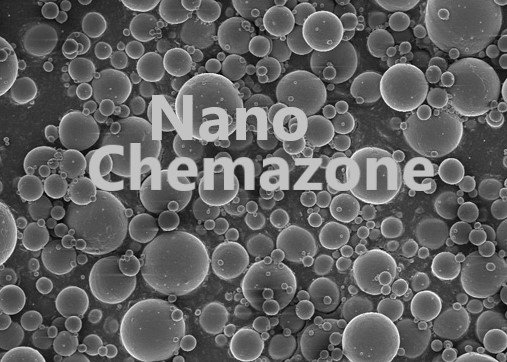
Titanium Aluminium Vanadium Alloy Powder
$0.00Titanium Aluminium Vanadium Alloy Powder
| MF: | TiAlV |
| Chemical Name: | Titanium Aluminium Vanadium Alloy Powder |
| Purity: | > 99.99% |
| APS: | 15 µm (Size Customization possible) |
| Form: | Powder |
| Product Number: | NCZA136 |
| CAS Number: | 7429-32-6 / 7429-90-5 / 7440-62-2 |

Titanium Aluminium Vanadium Ti-6Al-4V powder spherical
$0.00Titanium Aluminium Vanadium Ti-6Al-4V powder spherical
| Product | Titanium Alloy Ti-6Al-4V (Grade 5), Annealed |
| MF | Ti-6Al-4V |
| Item Code | NCZ-AM-103-19 |
| CAS Number | 12743-70-3 |
| Particle Size | 45-75 Micron (Customization is available) |
| Composition: | Ti/6Al/4V |
| Purity | 98% to 99.99% |
Key Words: Ti-6-4; UNS R56400; ASTM Grade 5 titanium; UNS R56401 (ELI); Ti6Al4V, biomaterials, biomedical implants, biocompatibility, Laser Cladding, 3D Printing

Titanium Aluminum Alloy Powder
$0.00Titanium Aluminum Alloy Powder
Product Name: Titanium Aluminum Alloy Powder
| Product | Titanium Aluminum Alloy Powder |
| Colour | White |
| Purity | ≥ 99.9% |
| Particle size | 1-10 µM (customizable) |
| Ingredient/MF | Ti-Al |
| Product Code | NCZ-CS-142/20 |
| CAS Number | 7440-32-6 / 7429-90-5 |
Titanium Aluminum Alloy Powder Description:
Titanium aluminide, TiAl, is an intermetallic chemical compound.
It is lightweight and resistant to oxidation and heat. However, it suffers from low ductility.
The development of TiAl based alloys began about 1970; however, the alloys have only been used in these applications since about 2000.
Titanium aluminide has three major intermetallic compounds: gamma TiAl, alpha 2-Ti3Al, and TiAl3.
Among the three, gamma TiAl has received the most interest and applications.
Gamma TiAl has excellent mechanical properties and oxidation and corrosion resistance at elevated temperatures (over 600 degrees Celsius).
Titanium Aluminum Alloy Powder Application:
- It finds use in several applications including automobiles and aircraft
- TiAl based alloys have a strong potential to increase the thrust-to-weight ratio in the aircraft engine.
Please email us for the customization.
Email: contact@nanochemazone.com
Please contact us for customization and price inquiry
Note: We supply different size ranges of Nano and micron as per the client’s requirements and also accept customization in various parameters.
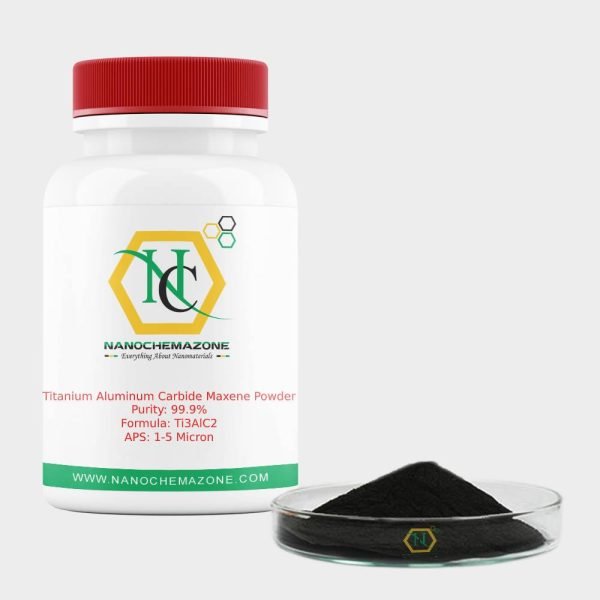
Titanium Aluminum Carbide Maxene Powder
$0.00Titanium Aluminum Carbide Maxene Powder
Product Name: Titanium Aluminum Carbide Maxene Powder
| Product | Titanium Aluminum Carbide Maxene Powder |
| CAS No. | 12537-81-4 |
| Appearance | Powder |
| Purity | 99.9% |
| APS | 1 – 5 Microns (Can be customized) |
| Ingredient | Ti3AlC2 |
| Product Code | NCZ-AE-167 |
Description of Titanium Aluminum Carbide Maxene Powder:
There is a large family of ternary carbides (ternary is an adjective meaning ‘composed of three’) with the general formula Mn+1AXn, where n = 1–3, M denotes a transition metal, A is an element such as Aluminum or silicon, and X is either carbon or nitrogen. Researchers have termed these ductile and machine able ceramics MAX phases.
MXenes, discovered in 2011, are ceramics that comprise one of the largest families of two-dimensional materials. MXenes are made from a bulk crystal called MAX. Unlike most 2D ceramics, MXenes have inherently good conductivity because they are molecular sheets made from the carbides and nitrides of transition metals like titanium. This gives them exciting potential in next-generation energy storage applications.
Titanium Aluminum Carbide Maxene Powder of Application:
Maxenes and MXenes-based nanocomposites have been widely used in nano-adsorption, biosensors, ion sieving, catalysis, lithium-ion batteries, supercapacitors, lubrication, and many other fields.
RELATED INFORMATION
Storage Conditions:
Airtight sealed, avoid light and keep dry at room temperature.
Please email us for the customization.
Email: contact@nanochemazone.com
Titanium Aluminum TA7 Powder
$0.00Titanium Aluminum TA7 Powder
| Product | Titanium Aluminum TA7 Powder |
| CAS No. | N/A |
| Appearance | Metallic Gray to Dark Gray Powder |
| Purity | ≥99%, ≥99.9%, ≥95%(Other purities are also available) |
| APS | 1-5 µM, 10-53 µM (Can be customized), Ask for other available size range. |
| Ingredient | Ti-Al |
| Density | 4.5-2.7g/cm3 |
| Molecular Weight | 46.5g/mol |
| Product Codes | NCZ-DCY-273/25 |
Titanium Aluminum TA7 Description:
Titanium Aluminum TA7 Powder is one of the numerous advanced ceramic materials manufactured by Nanochemazone. Nanochemazone produces too many standard grades when applicable, including Mil Spec (military grade); ACS, Reagent and Technical Grade; Food, Agricultural and Pharmaceutical Grade; Optical Grade, USP and EP/BP (European Pharmacopoeia/British Pharmacopoeia) and follows applicable ASTM testing standards. Typical and custom packaging is available. Additional technical, research and safety (MSDS) information are available. Please request a quote above for more information on lead time and pricing
Titanium Aluminum TA7 Powder Related Information :
Storage Conditions:
Airtight sealed, avoid light and keep dry at room temperature.
Please contact us for customization and price inquiry
Email: contact@nanochemazone.com
Note: We supply different size ranges of Nano and micron as per the client’s requirements and also accept customization in various parameters.
Titanium aluminum TA7 powder
TA7 powder belongs to the family of titanium aluminides, which are intermetallic compounds composed of titanium and aluminum. This unique powder exhibits exceptional strength, lightweight characteristics, and high-temperature stability, making it an attractive choice for numerous engineering applications.
Overview of Titanium Aluminum TA7 Powder
TA7 belongs to the titanium-aluminide intermetallic alloy system combining the lightweight properties of aluminum with the strength and corrosion resistance of titanium. The near-equiatomic ratio of Ti and Al provides an excellent balance of properties for elevated temperature applications.
Key characteristics of TA7 powder include:
Very high specific strength (strength-to-weight ratio)
Excellent high temperature tensile and creep strength
Low density compared to nickel or steel alloys
Good corrosion resistance in various environments
Available in range of particle sizes and morphologies
TA7 powder has emerged as an excellent choice for reducing weight and improving efficiency in aerospace engines and airframes operating at high temperatures.
Chemical Composition of TA7 Powder
TA7 powder has the following nominal composition:
| Element | Weight % |
| Titanium (Ti) | Balance |
| Aluminum (Al) | 7% |
| Tin (Sn) | 2-5% |
| Zirconium (Zr) | 1-4% |
| Silicon (Si) | 0.5% max |
| Carbon (C) | 0.1% max |
| Oxygen (O) | 0.13% max |
Properties of TA7 Powder
| Property | Value |
| Density | 3.7-4.0 g/cm3 |
| Melting Point | 1460°C |
| Thermal Conductivity | 6.7 W/mK |
| Electrical Resistivity | 1.78 μΩ.cm |
| Young’s Modulus | 110 GPa |
| Poisson’s Ratio | 0.32 |
| Tensile Strength | 800 MPa |
| Yield Strength | 760 MPa |
| Elongation | 1-2% |
| Creep Resistance | 190 MPa at 700°C |
The properties like high strength, low density, oxidation resistance and thermal stability make TA7 suitable for the most demanding elevated temperature applications.
Production Method for TA7 Powder
TA7 powder can be produced via methods like:
Gas Atomization – High pressure inert gas used to atomize molten TA7 alloy resulting in spherical powder ideal for AM.
Plasma Rotating Electrode Process – Centrifugal disintegration of rapidly rotating molten metal stream produces spherical powder.
Mechanical Alloying – High energy ball milling of blended elemental Ti and Al powders followed by annealing.
Gas atomization provides excellent control over powder characteristics like particle size distribution, morphology, microcleanliness and flowability.
Applications of TA7 Powder
TA7 powder is commonly used in:
Additive Manufacturing – Selective laser melting to produce complex airfoil shapes, impellers, turbine blades.
Metal Injection Molding – To manufacture small, complex net-shape parts like turbocharger components needing high strength and temperature resistance.
Thermal Spray Coatings – Applied via plasma or HVOF spraying on valve surfaces, bearings, landing gear components needing wear/corrosion resistance at high temperatures.
Powder Metallurgy – Pressing and sintering to create lightweight, high-strength structural parts for aerospace applications.
Specifications of TA7 Powder
TA7 powder is available under various size ranges, shapes and purity levels:
Particle Size: From 15-45 μm for AM methods, up to 100 μm for thermal spray processes.
Morphology: Near-spherical powder shape provides optimal flow and packing density.
Purity: From commercial purity to ultra high purity levels based on impurity limits and process requirements.
Oxygen Content: Levels maintained below 2000 ppm for most applications.
Flow Rate: Powder customized for excellent flow rates above 25 s/50 g.
Storage and Handling of TA7 Powder
TA7 powder requires careful storage and handling:
Should be stored in sealed containers under inert gas like argon to prevent oxidation.
Avoid accumulation of fine powder to minimize risk of dust explosions.
Use proper PPE, ventilation, grounding and safety practices during powder handling.
Prevent contact between powder and ignition sources due to flammability hazard.
Follow applicable safety guidelines from supplier SDS.
Care should be taken when handling this highly reactive alloy powder.
Inspection and Testing of TA7 Powder
Key quality control tests performed on TA7 powder:
Chemical analysis using ICP-OES or XRF to ensure composition meets specifications.
Particle size distribution using laser diffraction as per ASTM B822 standard.
Morphology analysis through SEM imaging.
Powder flow rate measurement using Hall flowmeter as per ASTM B213 standard.
Density measurement by helium pycnometry.
Impurity analysis through inert gas fusion or ICP-MS.
Microstructure characterization by X-ray diffraction.
Thorough testing ensures batch consistency and powder quality for the intended application.
Comparison Between TA7 and Inconel 718 Powders
TA7 and Inconel 718 powders compared:
| Parameter | TA7 | Inconel 718 |
| Density | 3.7-4.0 g/cm3 | 8.2 g/cm3 |
| High temperature strength | Comparable | Comparable |
| Oxidation resistance | Better | Good |
| Cost | Higher | Lower |
| Workability | Poor | Excellent |
| Applications | Aerospace components | Aerospace, automotive |
| Availability | Low | Readily available |
TA7 offers weight savings over Inconel 718. But workability is poor and availability is lower for titanium aluminide powder.
TA7 Powder FAQs
Q: How is TA7 powder produced?
A: TA7 powder is commercially produced using gas atomization, plasma rotating electrode process, and mechanical alloying followed by annealing. Gas atomization offers the best control of powder characteristics.
Q: What are the main applications of TA7 powder?
A: The major applications of TA7 powder include additive manufacturing, thermal spray coatings, metal injection molding, and powder metallurgy to manufacture lightweight structural parts needing high temperature capability.
Q: What is the typical TA7 powder size used for selective laser melting?
A: For SLM process, the ideal TA7 powder size range is 15-45 microns with spherical morphology and good powder flow and packing density.
Q: Does TA7 powder require special handling precautions?
A: Yes, it is highly reactive and requires careful handling under inert atmosphere using proper ventilation, grounding, PPE to prevent fire or explosion hazards.
Q: Where can I purchase TA7 powder suitable for aerospace parts?
A: For aerospace applications needing lightweight and high strength, TA7 powder can be purchased from leading manufacturer.
Titanium And Aluminum TA7 Powder
$0.00Titanium And Aluminum TA7 Powder
| Product | Titanium And Aluminum TA7 Powder |
| CAS No. | 7440-32-6 |
| Appearance | Gray or Metallic Silver |
| Purity | ≥99%, ≥99.9%, ≥95%(Other purities are also available) |
| APS | 1-5 µM, 10-53 µM (Can be customized), Ask for other available size range. |
| Ingredient | Ti-Al |
| Density | 3.7-4.0g/cm3 |
| Molecular Weight | N/A |
| Product Codes | NCZ-DCY-324/25 |
Titanium And Aluminum TA7 Description:
TTitanium And Aluminum TA7 Powder is one of the numerous advanced ceramic materials manufactured by Nanochemazone. Nanochemazone produces too many standard grades when applicable, including Mil Spec (military grade); ACS, Reagent and Technical Grade; Food, Agricultural and Pharmaceutical Grade; Optical Grade, USP and EP/BP (European Pharmacopoeia/British Pharmacopoeia) and follows applicable ASTM testing standards. Typical and custom packaging is available. Additional technical, research and safety (MSDS) information are available. Please request a quote above for more information on lead time and pricing.
Titanium And Aluminum TA7 Powder Related Information :
Storage Conditions:
Airtight sealed, avoid light and keep dry at room temperature.
Please contact us for customization and price inquiry
Email: contact@nanochemazone.com
Note: We supply different size ranges of Nano and micron as per the client’s requirements and also accept customization in various parameters.
Titanium and aluminum TA7 powder
TA7 powder belongs to the family of titanium aluminides, which are intermetallic compounds composed of titanium and aluminum. This unique powder exhibits exceptional strength, lightweight characteristics, and high-temperature stability, making it an attractive choice for numerous engineering applications.
Overview of Titanium and Aluminum TA7 Powder
TA7 belongs to the titanium-aluminide intermetallic alloy system combining the lightweight properties of aluminum with the strength and corrosion resistance of titanium. The near-equiatomic ratio of Ti and Al provides an excellent balance of properties for elevated temperature applications.
Key characteristics of TA7 powder include:
Very high specific strength (strength-to-weight ratio)
Excellent high temperature tensile and creep strength
Low density compared to nickel or steel alloys
Good corrosion resistance in various environments
Available in range of particle sizes and morphologies
TA7 powder has emerged as an excellent choice for reducing weight and improving efficiency in aerospace engines and airframes operating at high temperatures.
Chemical Composition of TA7 Powder
TA7 powder has the following nominal composition:
| Element | Weight % |
| Titanium (Ti) | Balance |
| Aluminum (Al) | 7% |
| Tin (Sn) | 2-5% |
| Zirconium (Zr) | 1-4% |
| Silicon (Si) | 0.5% max |
| Carbon (C) | 0.1% max |
| Oxygen (O) | 0.13% max |
Properties of TA7 Powder
Key properties of TA7 powder include:
| Property | Value |
| Density | 3.7-4.0 g/cm3 |
| Melting Point | 1460°C |
| Thermal Conductivity | 6.7 W/mK |
| Electrical Resistivity | 1.78 μΩ.cm |
| Young’s Modulus | 110 GPa |
| Poisson’s Ratio | 0.32 |
| Tensile Strength | 800 MPa |
| Yield Strength | 760 MPa |
| Elongation | 1-2% |
| Creep Resistance | 190 MPa at 700°C |
The properties like high strength, low density, oxidation resistance and thermal stability make TA7 suitable for the most demanding elevated temperature applications.
Production Method for TA7 Powder
TA7 powder can be produced via methods like:
Gas Atomization – High pressure inert gas used to atomize molten TA7 alloy resulting in spherical powder ideal for AM.
Plasma Rotating Electrode Process – Centrifugal disintegration of rapidly rotating molten metal stream produces spherical powder.
Mechanical Alloying – High energy ball milling of blended elemental Ti and Al powders followed by annealing.
Gas atomization provides excellent control over powder characteristics like particle size distribution, morphology, microcleanliness and flowability.
TA7 powder is commonly used in:
Additive Manufacturing – Selective laser melting to produce complex airfoil shapes, impellers, turbine blades.
Metal Injection Molding – To manufacture small, complex net-shape parts like turbocharger components needing high strength and temperature resistance.
Thermal Spray Coatings – Applied via plasma or HVOF spraying on valve surfaces, bearings, landing gear components needing wear/corrosion resistance at high temperatures.
Powder Metallurgy – Pressing and sintering to create lightweight, high-strength structural parts for aerospace applications.
Specifications of TA7 Powder
TA7 powder is available under various size ranges, shapes and purity levels:
Particle Size: From 15-45 μm for AM methods, up to 100 μm for thermal spray processes.
Morphology: Near-spherical powder shape provides optimal flow and packing density.
Purity: From commercial purity to ultra high purity levels based on impurity limits and process requirements.
Oxygen Content: Levels maintained below 2000 ppm for most applications.
Flow Rate: Powder customized for excellent flow rates above 25 s/50 g.
Storage and Handling of TA7 Powder
TA7 powder requires careful storage and handling:
Should be stored in sealed containers under inert gas like argon to prevent oxidation.
Avoid accumulation of fine powder to minimize risk of dust explosions.
Use proper PPE, ventilation, grounding and safety practices during powder handling.
Prevent contact between powder and ignition sources due to flammability hazard.
Follow applicable safety guidelines from supplier SDS.
Care should be taken when handling this highly reactive alloy powder.
Inspection and Testing of TA7 Powder
Key quality control tests performed on TA7 powder:
Chemical analysis using ICP-OES or XRF to ensure composition meets specifications.
Particle size distribution using laser diffraction as per ASTM B822 standard.
Morphology analysis through SEM imaging.
Powder flow rate measurement using Hall flowmeter as per ASTM B213 standard.
Density measurement by helium pycnometry.
Impurity analysis through inert gas fusion or ICP-MS.
Microstructure characterization by X-ray diffraction.
Thorough testing ensures batch consistency and powder quality for the intended application.
Comparison Between TA7 and Inconel 718 Powders
TA7 and Inconel 718 powders compared:
| Parameter | TA7 | Inconel 718 |
| Density | 3.7-4.0 g/cm3 | 8.2 g/cm3 |
| High temperature strength | Comparable | Comparable |
| Oxidation resistance | Better | Good |
| Cost | Higher | Lower |
| Workability | Poor | Excellent |
| Applications | Aerospace components | Aerospace, automotive |
| Availability | Low | Readily available |
TA7 offers weight savings over Inconel 718. But workability is poor and availability is lower for titanium aluminide powder.
TA7 Powder FAQs
Q: How is TA7 powder produced?
A: TA7 powder is commercially produced using gas atomization, plasma rotating electrode process, and mechanical alloying followed by annealing. Gas atomization offers the best control of powder characteristics.
Q: What are the main applications of TA7 powder?
A: The major applications of TA7 powder include additive manufacturing, thermal spray coatings, metal injection molding, and powder metallurgy to manufacture lightweight structural parts needing high temperature capability.
Q: What is the typical TA7 powder size used for selective laser melting?
A: For SLM process, the ideal TA7 powder size range is 15-45 microns with spherical morphology and good powder flow and packing density.
Q: Does TA7 powder require special handling precautions?
A: Yes, it is highly reactive and requires careful handling under inert atmosphere using proper ventilation, grounding, PPE to prevent fire or explosion hazards.
Q: Where can I purchase TA7 powder suitable for aerospace parts?
A: For aerospace applications needing lightweight and high strength, TA7 powder can be purchased from leading manufacturers including Nanochemazone.
Titanium Based Metal Powder
$0.00Titanium Based Metal Powder
| Product | Titanium Based Metal Powder |
| CAS No. | 7440-32-6 |
| Appearance | Light Gray Powder |
| Purity | ≥99%, ≥99.9%, ≥95%(Other purities are also available) |
| APS | 1-5 µM, 10-53 µM (Can be customized), Ask for other available size range. |
| Ingredient | Ti |
| Density | 4.51g/cm3 |
| Molecular Weight | 47.90g/mol |
| Product Codes | NCZ-DCY-268/25 |
Titanium Based Metal Description:
Titanium Based Metal Powder is one of the numerous advanced ceramic materials manufactured by Nanochemazone. Nanochemazone produces too many standard grades when applicable, including Mil Spec (military grade); ACS, Reagent and Technical Grade; Food, Agricultural and Pharmaceutical Grade; Optical Grade, USP and EP/BP (European Pharmacopoeia/British Pharmacopoeia) and follows applicable ASTM testing standards. Typical and custom packaging is available. Additional technical, research and safety (MSDS) information are available. Please request a quote above for more information on lead time and pricing
Titanium Based Metal Powder Related Information :
Storage Conditions:
Airtight sealed, avoid light and keep dry at room temperature.
Please contact us for customization and price inquiry
Email: contact@nanochemazone.com
Note: We supply different size ranges of Nano and micron as per the client’s requirements and also accept customization in various parameters.
Ti6Al4V Powder Titanium Based Metal Powder for Additive Manufacturing
Ti6Al4V powder for 3D printing price list :
| Metal Powder | Size | Quantity | Price/kg | Size | Quantity | Price/kg |
| TiAl6V4 gr.23 | 20-63μm | 1KG | 138 | 0-45μm | 1KG | 144 |
| 10KG | 109 | 10KG | 124 | |||
| 100KG | 105 | 100KG | 117 |
Overview of Ti6Al4V Powder
Ti6Al4V powder, also referred to as Grade 5 titanium alloy, is one of the most popular titanium alloy powders. It contains 6% aluminum and 4% vanadium as the key alloying elements along with the remainder titanium.
Spherical powder ti6al4v offers an exceptional combination of high strength, low weight, corrosion resistance, biocompatibility, and workability.
Ti6Al4V Powder Properties and Characteristics
| Properties | Details |
| Composition | Ti-6Al-4V alloy |
| Density | 4.43 g/cc |
| Particle shape | Predominantly spherical |
| Size range | 15-45 microns |
| Apparent density | Up to 60% of true density |
| Flowability | Good |
| Strength | High for a titanium alloy |
| Corrosion resistance | Excellent |
Ti6Al4V is widely used across aerospace, medical, automotive, chemical, and consumer industries owing to its well-balanced property profile.:
Ti6Al4V Powder Composition
| Element | Weight % |
| Titanium | Balance |
| Aluminum | 5.5-6.75% |
| Vanadium | 3.5-4.5% |
| Oxygen | <0.2% |
| Carbon | <0.1% |
| Nitrogen | <0.05% |
| Hydrogen | <0.015% |
| Iron | <0.3% |
Titanium forms the matrix providing strength and corrosion resistance
Aluminum stabilizes alpha phase and increases strength
Vanadium stabilizes beta phase and improves workability
Other elements limited as impurities
Ti6Al4V Powder Physical Properties
| Property | Values |
| Density | 4.43 g/cc |
| Melting point | 1604-1660°C |
| Thermal conductivity | 6.7 W/mK |
| Electrical resistivity | 170 μΩ-cm |
| Coefficient of thermal expansion | 8.4 x 10^-6 /K |
| Maximum service temperature | 400°C |
Low density compared to steels
High melting point enables use at moderately elevated temperatures
Low thermal conductivity requires design considerations
High electrical resistivity suitable for corrosion resistant fasteners
CTE lower than steels and nickel alloys
These properties make Ti6Al4V well suited for many lightweight structural applications across industries.
Ti6Al4V Powder Mechanical Properties
| Property | Values |
| Tensile strength | 950 – 1050 MPa |
| Yield strength | 860 – 950 MPa |
| Elongation | 10 – 18% |
| Hardness | 330 – 380 HB |
| Modulus of elasticity | 110 – 120 GPa |
| Fatigue strength | 400 – 500 MPa |
Excellent combination of high strength and reasonable ductility
Strength exceeds other titanium grades like commercially pure titanium
Hardness higher than unalloyed titanium
Outstanding fatigue life makes it suitable for cyclic loading applications
The properties make Ti6Al4V suitable for demanding applications requiring high specific strength and fatigue resistance.
Ti6Al4V Powder Applications
| Industry | Uses |
| Aerospace | Structural airframe parts, engine components |
| Biomedical | Orthopedic and dental implants |
| Automotive | Connecting rods, valves, springs |
| Chemical | Tanks, vessels, heat exchangers |
| Consumer | Sporting goods, watch cases, cellphone bodies |
| 3D Printing | Aerospace and medical components |
Some specific product applications include:
Bone plates, joint replacement implants
Airplane and helicopter structural components
Automotive engine valves and connecting rods
Chemical equipment like pipes, pumps, valves
Sporting goods including golf clubs and bicycle frames
Additive manufacturing of lightweight structures
Ti6Al4V provides the best strength-to-weight ratio and biocompatibility for critical structural parts across these demanding sectors.
Ti6Al4V Powder Applications in Metal 3D Printing
Ti6Al4V powder is a widely used material for metal 3D printing due to its exceptional mechanical properties, biocompatibility, and corrosion resistance. It is particularly well-suited for applications in the aerospace, medical, and automotive industries. Here are some of the metal 3D printing methods that can utilize Ti6Al4V powder:
- Selective Laser Melting (SLM): SLM is a powder bed fusion (PBF) technique that employs a high-power laser to selectively melt and fuse fine layers of Ti6Al4V powder. This method produces high-density, high-strength parts with complex geometries.
- Electron Beam Melting (EBM): EBM is another PBF technique that utilizes a focused electron beam to melt Ti6Al4V powder. It is known for its ability to produce parts with excellent surface quality and fine features.
- Directed Energy Deposition (DED): DED is an additive manufacturing process that deposits material through a nozzle while simultaneously melting it with a laser or electron beam. Ti6Al4V powder can be used in DED to create large-scale, near-net-shape components.
- Binder Jetting (BJ): BJ is a PBF technique that uses a liquid binder to selectively adhere Ti6Al4V powder particles together. The unbound powder is then removed, leaving a pre-formed part that is sintered to achieve full density.
Additional Considerations:
The choice of 3D printing method for Ti6Al4V powder depends on the specific application requirements, such as part geometry, mechanical properties, and surface finish.
Each 3D printing method has its own advantages and limitations, and it is crucial to carefully evaluate these factors before selecting the most suitable technique.
Proper handling and storage of Ti6Al4V powder are essential to ensure the quality of 3D-printed parts and to minimize safety hazards.
Ti6Al4V powder continues to be a valuable material for metal 3D printing, enabling the fabrication of high-performance components for various industries. As 3D printing technologies advance, the applications of Ti6Al4V powder are expected to expand even further.
Ti6Al4V Powder Standards
| Standard | Description |
| ASTM F2924 | Additive manufacturing Ti6Al4V alloy |
| ASTM F3001 | Specs for gas atomized Ti alloy powder for AM |
| AMS 4954 | Composition limits of Ti-6Al-4V powder for additive manufacturing |
| ASTM B348 | Specs for Ti and Ti alloy powders |
| ASTM F1472 | Wrought Ti6Al4V alloy for surgical implants |
These define:
Chemical composition ranges
Required mechanical properties
Powder production method – inert gas atomization
Impurity limits like O, N, C, Fe
Particle size distribution and morphology
Testing methods to verify powder quality
Certified Ti6Al4V powder meeting these specifications ensures optimal properties and performance for different applications across industries.
Ti6Al4V Powder Particle Sizes
| Particle Size | Characteristics |
| 15-45 microns | General purpose size range |
| 45-100 microns | Optimized for cold spraying |
| 5-25 microns | Finer sizes used in laser AM processes |
Finer powder provides higher resolution and surface finish
Coarser powder suits high deposition rate methods like cold spraying
Size range tailored based on production method used
Spherical morphology maintained across size ranges
Controlling particle size distribution and morphology is critical for high powder packing density, flowability, and final part properties.
Ti6Al4V Powder Apparent Density
| Apparent Density | Details |
| Up to 60% of true density | For spherical powder morphology |
| 2.6 – 3.0 g/cc | Improves with greater packing density |
Higher apparent density improves powder flowability and die filling efficiency
Values up to 65% are possible with optimized spherical powder
High apparent density minimizes press cycle time
Maximizing apparent density allows efficient automated powder pressing and sintering to full density.
Ti6Al4V Powder Production Method
VIGA (Vacuum Induction Inert Gas Atomization) Equipment
VIGA equipment has a wide range of applications, mainly for the production of high-performance iron-based, nickel-based, cobalt-based, aluminium-based, copper-based and other advanced alloy powder materials. It is widely used in aerospace, health, tooling, automobile, machinery, electronics, new energy and other fields and also suitable for additive manufacturing (3D printing), melting deposition, laser cladding, thermal spraying, powder metallurgy, hot isostatic pressing and other advanced manufacturing processes.
| Method | Details |
| Gas atomization | High pressure inert gas breaks up molten alloy stream into fine droplets |
| Vacuum arc melting | High purity input materials refined and melted in vacuum |
| Multiple remelts | Improves chemical homogeneity |
| Sieving | Classifies powder into different particle size fractions |
Gas atomization with inert gas produces clean, spherical powder
Vacuum processing minimizes gaseous impurities
Multiple remelts improve uniformity of composition
Post-processing allows particle size distribution control
Automated methods combined with stringent quality control result in reliable and consistent Ti6Al4V powder suitable for critical applications.
Ti6Al4V Powder Handling and Storage
| Recommendation | Reason |
| Avoid inhalation | Due to risk of lung tissue damage from fine particles |
| Use protective mask | Prevent accidental ingestion |
| Handle in ventilated areas | Reduce airborne particle suspension |
| Ensure no ignition sources | Powder can combust in oxygen atmosphere |
| Follow anti-static protocols | Prevent fire from static discharge while handling |
| Store sealed containers in cool, dry area | Prevent moisture pickup and reactivity |
Although Ti6Al4V powder is relatively inert, recommended precautions should be taken during handling and storage to preserve purity.
Ti6Al4V Powder Inspection and Testing
| Test | Details |
| Chemical analysis | ICP spectroscopy used to verify composition |
| Particle size distribution | Laser diffraction used to determine size distribution |
| Apparent density | Measured using Hall flowmeter as per ASTM B212 |
| Powder morphology | SEM imaging to check particle sphericity |
| Flow rate analysis | Using Hall flowmeter funnel |
| Tap density test | Density measured after mechanically tapping powder sample |
Testing ensures the powder meets the required chemical composition, physical characteristics, morphology, density, and flow specifications per applicable standards.
Ti6Al4V Powder Pros and Cons
Advantages of Ti6Al4V Powder
Excellent strength-to-weight ratio
High fatigue strength and fracture toughness
Outstanding corrosion resistance
Good ductility and formability
High biocompatibility for medical uses
Cost-effective compared to other titanium alloys
Limitations of Ti6Al4V Powder
Moderate high temperature oxidation resistance
Lower strength than some titanium alloys
High reactivity requires inert processing atmosphere
Difficult to machine in fully sintered state
Limitations in welding the alloy
Toxicity concerns about vanadium element
Comparison With Ti64 and Ti Grade 2 Powders
Ti6Al4V vs. Ti64 and Grade 2 Powder
| Parameter | Ti6Al4V | Ti64 | Ti Grade 2 |
| Aluminum | 6% | 6% | – |
| Vanadium | 4% | 4% | – |
| Strength | 950-1050 MPa | 950-1050 MPa | 420-550 MPa |
| Ductility | 10-18% | 10-18% | 15-30% |
| Cost | Moderate | Moderate | Low |
| Uses | Aerospace, medical | Aerospace, automotive | Industrial, consumer |
Ti6Al4V and Ti64 have virtually identical properties
Grade 2 Ti provides better ductility but lower strength
Ti6Al4V preferred for critical structural parts needing high strength
Ti6Al4V Powder FAQs
Q: What are the main applications of Ti6Al4V powder?
A: The main applications include aerospace structural components, biomedical implants like hip and knee joints, automotive parts like valves and connecting rods, chemical process equipment, and consumer products like sports equipment and watch cases.
Q: Why is Ti6Al4V the most popular titanium alloy?
A: Ti6Al4V provides the best all-round combination of high strength, low density, fracture toughness, corrosion resistance, bio-compatibility, weldability, and moderate cost.
Q: What precautions should be taken when working with Ti6Al4V powder?
A: Recommended precautions include using protective gear, handling in inert atmosphere, avoiding ignition sources, controlling static charges, using non-sparking tools, and storing sealed containers in a cool, dry place.
Q: How does vanadium affect the properties of Ti6Al4V alloy?
A: Vanadium acts as a beta stabilizer which improves workability. It also contributes to precipitation hardening which imparts strength and high temperature creep resistance to the alloy.

Titanium Boride Micro Powder
$0.00Product Name: Titanium Boride Micro Powder
| Product Name | Titanium Boride Micro Powder |
| Catalog No. | NCZ-NSC307/20 |
| CAS No. | 12045-63-5 |
| Purity | 99.9% |
| APS | 3µm, 500µm (Customizable) |
| Molecular Formula | TiB2 |
| Appearance | Powder |
| Color | Gray Powder |
| Density | 4.52 g/mL |
| Melting Point | 2980 °C |
Titanium Boride Micro Powder Description:
Titanium Boride Micro is electrical conductivity composite materials–Electrical conduction boron nitride named evaporation boat made by titanium diboride and boron nitride is the primary member for vacuum aluminizing equipment; Ceramic cutting tools and their components–Titanium diboride ceramic is used for metal wortles, extrusion dies, sandblasting nozzles, potted components and cutting tools; Composite ceramic materials–It could be used as multi-element composite materials’ important constituent element.
It can be made up of cutting tools’ composite materials with TIC, TIN, or SIC. And it is as a component to make armor protection materials.
It is the best materials for thermostability components and function devices; Aluminium electrolysis’ cathode materials–Because of the good wet ability of TIB2 and metal aluminum liquid.
It makes the electrolytic aluminum’s power consumption low, then the electrolytic bath’s life will belong.
It may also make up PIC exothermic materials and flexibility PIC materials, and it is the intensify reagent of the metal materials such as Al, Fe, and Cu. Products Performance:
It is a new ceramic material. And it has excellent physical and chemical performance. Such as a high melting point ( 2980 °C), high hardness ( 34 GPa), and its density is 4.52 g/cm3.
It could stand wear and tear, also resist acid-alkali. Its electric performance is good (P=14.4μΩ.cm), heat-conducting property is strong (25J/m.s.k).
And it has excellent chemical stability and thermal shock resistant performance.
Titanium diboride and its composite materials are innovative and high technology materials that were widely concerned and putative that have promotional value and application prospects.
Titanium Boride Micro Powder Related Information:
Airtight sealed, avoid light and keep dry at room temperature.
Please contact us for customization and price inquiry Email: contact@nanochemazone.com
Note: We supply different size ranges of Nano and micron as per the client’s requirements and also accept customization in various parameters.


Titanium carbide (Ti3C2) MXene freestanding thin films
$0.00Product Name: Ti3C2 Titanium carbide freestanding thin films
Ti3C2 Mxene thin films
| Product | Titanium carbide (Ti3C2) freestanding thin films |
| Colour | Black wafer |
| Thickness | 5-10 µm |
| Diameter | ≈45 mm |
| Product Code | NCZ-MX-103 |
Titanium carbide (Ti3C2) MXene freestanding thin films APPLICATION FIELDS
Flexible electronic devices (sensors, capacitors), flexible batteries, etc. It also can be used to deposit other materials as composite materials and separation membranes for seawater separation.
Titanium carbide (Ti3C2) MXene freestanding thin films RELATED INFORMATION
Storage Conditions:
Sealed, avoid light, Argon protection, and keep dry at room temperature.
Expiry date: Three months.
Titanium Carbide Powder
$0.00Product Name: Titanium Carbide Powder
| Product | Titanium Carbide Powder |
| CAS No. | 12070-08-5 |
| Appearance | Powder |
| Purity | 99.9% |
| APS | 1 – 5 microns (can be customized) |
| Ingredient | TiC |
| Product Code | NCZ-AE-208 |
RELATED INFORMATION
Storage Conditions:
Airtight sealed, avoid light, and keep dry at room temperature.
Please email us for the customization.
Email: contact@nanochemazone.com

Titanium Carbide Powder
$0.00Titanium Carbide Powder
Product Name: Titanium Carbide Powder
| Product | Titanium Carbide Powder |
| Colour | Grey |
| Purity | ≥ 99.9% |
| Particle size | 1-10 µM (customizable) |
| Ingredient/MF | TiC |
| Product Code | NCZ-C-106/20 |
| CAS Number | 12070-08-5 |
Titanium Carbide Powder Description :
Titanium Carbide (TIC) is a Gray metallic powder with a cubic system structure.
With high-wear resistance, perfect corrosion resistance and high-temperature resistance,
As hardness material, it’s widely used as the thermal spray coating powder material, the welding material, the flinty membranous material, the military aviation material, the hard alloy, and the cermet.
Titanium carbide, TiC, is an extremely hard (Mohs 9-9.5) refractory ceramic material, similar to tungsten carbide.
It has the appearance of black powder with the sodium chloride (face-centered cubic) crystal structure.
Also, the product has good conductivity and chemical inert ability to steel and iron
Application of Titanium Carbide TiC:
1. The carbide is mainly used in the manufacturing of cermet, heat-resistant alloy, and cemented carbide due to its high melting point, high hardness, and good chemical stability.
- Applies in the spray coating material, the welding material, the flinty membranous material, the military aviation material, the hard alloy, and the cermet.
3.Used as welding and flux-cored wire
- Used in the preparation of cermets, which are frequently used to machine steel materials at high cutting speed.
- Used as an abrasion-resistant surface coating on metal parts, such as tool bits and watch mechanisms.
- Used as a heat shield coating for atmospheric reentry of spacecraft.
7. TiC is used in manufacturing wear-resistant materials, cutting tools, etc
Please email us for the customization.
Email: contact@nanochemazone.com
Please contact us for customization and price inquiry
Note: We supply different size ranges of Nano and micron as per the client’s requirements and also accept customization in various parameters.
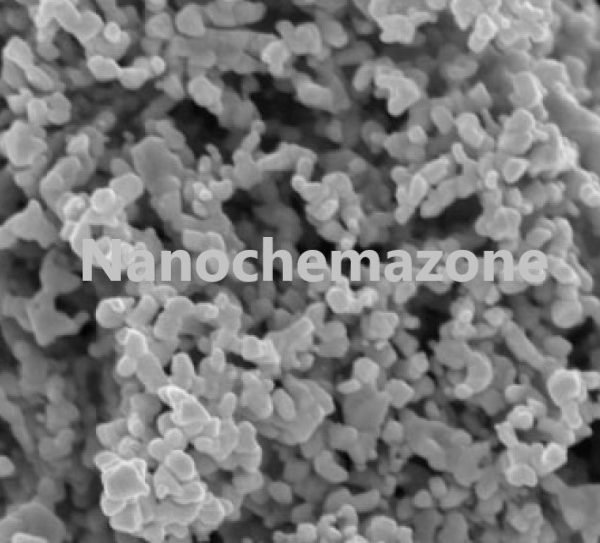
Titanium Carbide Tungsten Carbide Alloy Nanopowder
$0.00TiC-WC Alloy Nanoparticles/Nanopowder (Particle Size Less than ≤ 80 nm, 99.9%)
Titanium Carbide Tungsten Carbide Alloy Nanopowder
| Product Formula | TiC: WC |
| Product Number | NCZ-A-143-19 |
| CAS Number | 12070-08-5/12070-12-1 |
| Molecular Weight | 255.72 g/moL |
| APS | ≤ 80 nm (can be customized) |
| Purity | 99.9% |
| Color | Gray |
| Form | Nanopowder |
Note: We can manufacture and supply different particle sizes (Nano size range, Micron, Submicron and different Mesh size) products of Alloy powders (Multi Element, Multi Element Oxide and Mixture of Rare Earth Elements) according to client’s requirements. Kindly ask for the customization in size and Element ratio composition.
Titanium Dioxide Anatase Powder
$0.00Product Name: Titanium Dioxide Anatase Powder
| Product | Titanium Dioxide Anatase Powder |
| CAS No. | 13463-67-7 |
| Appearance | Powder |
| Purity | 99.9% |
| APS | 1 – 5 Microns (Can be customized) |
| Ingredient | TiO2 Anatase |
| Product Code | NCZ-AE-129 |
APPLICATION
1.Metallurgical deoxidizer
2.High temperature resistant materials
3.As abrasive, abrasive tools can be used to such as grinding wheels, whetstones, grinding head, sand tile etc
RELATED INFORMATION
Storage Conditions:
Airtight sealed, avoid light, and keep dry at room temperature.
Please email us for the customization.
Email: contact@nanochemazone.com


Titanium Dioxide Dispersions
$0.00| MF: | TiO2 |
| Chemical Name: | Titanium Dioxide Dispersion Rutile |
| Purity: | >99.99% |
| APS: | 15-30 nm (Size Customization possible) |
| Form: | Nano dispersion |
| Product Number: | NCZD2901 |
| CAS Number | 13463-67-7 |
Titanium Dioxide Dispersion Anatase is also available. Kindly ask for the customization.
Please contact us for customization and price inquiry.
Note: We supply different size products of micro and Nano Size range dispersion according to client’s requirements.

Titanium Dioxide Nanoparticles Dispersion
$0.00| MF: | TiO2 |
| Chemical Name: | Titanium Dioxide Dispersion Anatase |
| Purity: | >99.99% |
| APS: | 15-30 nm (Size Customization possible) |
| Form: | Nano dispersion |
| Product Number: | NCZD2902 |
| CAS Number | 13463-67-7 |
Titanium Dioxide Dispersion Rutile is also available. Kindly ask for the customization.
Please contact us for customization and price inquiry.
Note: We supply different size products of micro and Nano Size range dispersion according to client’s requirements.


Titanium Dioxide Nanorods
$0.00Titanium Dioxide Nanorods
| Product | Titanium Dioxide Nanorods |
| Stock No. | NCZR102-19 |
| Length: ca. | 100 nm (customization available) |
| Diameter: | 20-40 nm (customization available) |
| CAS Number | 13463-67-7 |
| Formula | TiO2 |
| Density | 4.23g/cm3 |
| Melting Point | 1,843 ˚C |
| Boiling Point | 2972 ˚C |
| Form | Powder/Dispersion |

Titanium Dioxide Nanowire
$0.00| MF: | TiO2 |
| Chemical Name: | Titanium Dioxide Nanowire |
| Purity: | > 99.99% |
| Diameter: | 50-100 nm (Customization is possible) |
| Length: | 80 µm (Customization is possible) |
| Form: | Nanowire |
| Product Number: | NCZW119 |
| CAS Number | 13463-67-7 |
Please contact us for customization and price inquiry.
Note: We supply different size ranges of Titanium Dioxide Nanowires as per the client’s requirements and also accept customization in various parameters.

Titanium Dioxide Paste
$0.00Titanium Dioxide Paste
| Linear Formula: | TiO2 |
| Chemical Name: | Titanium Dioxide Paste |
| Purity: | >99.99% |
| Molecular Weight | 79.9378 g/mol |
| Melting Point | 1843 °C |
| Product Number: | NCZ-P-102 |
| Appearance: | White to Yellow Paste |
| CAS Number: | 13463-67-7 |
Pack Size: 10 mL, 25 mL, 50 mL and 100 mL
Bulk Pack Size: 250 mL, 500 mL and 1000 mL

Titanium Dioxide Powder
$0.00Product Name: Titanium Dioxide Powder
| Product |
Titanium Dioxide Powder |
| Colour | white |
| Purity | ≥ 99.9% |
| Particle size | 1-10µM (customizable) |
| Ingredient/MF | TiO2 |
| Product Code | NCZ-CS-141/20 |
| CAS Number | 13463-67-7 |
Please email us for the customization.
Email: contact@nanochemazone.com
Please contact us for customization and price inquiry
Note: We supply different size ranges of Nano and micron as per the client’s requirements and also accept customization in various parameters.
Titanium Dioxide Powder
$0.00Titanium Dioxide Powder
| Product | Titanium Dioxide Powder |
| CAS No. | 13463-67-7 |
| Appearance | White Powder |
| Purity  | ≥99%, ≥99.9%, ≥95%
(Other purities are also available) |
| APS   | 1-5 µM, 10-53 µM (Can be customized), Ask for other available size range. |
| Ingredient | TiO2 |
| Density | 3.9-4.5g/cm3 |
| Molecular Weight | 76.866g/mol |
| Product Codes | NCZ-MNO-125/25 |
Titanium Dioxide Description:
Titanium Dioxide Powder is one of the numerous advanced ceramic materials manufactured by Nanochemazone. Nanochemazone produces too many standard grades when applicable, including Mil Spec (military grade); ACS, Reagent and Technical Grade; Food, Agricultural and Pharmaceutical Grade; Optical Grade, USP and EP/BP (European Pharmacopoeia/British Pharmacopoeia) and follows applicable ASTM testing standards. Typical and custom packaging is available. Additional technical, research and safety (MSDS) information are available. Please request a quote above for more information on lead time and pricing
Titanium Dioxide Powder Related Information :
Storage Conditions:
Airtight sealed, avoid light and keep dry at room temperature.
Please contact us for customization and price inquiry
Email: contact@nanochemazone.com
Note: We supply different size ranges of Nano and micron as per the client’s requirements and also accept customization in various parameters.
TS1944 Titanium Dioxide (TiO2) Thermal Spray Powder
| Catalog No. | NCZ-MNO-125/25 |
| Material | TiO2, TiO2-ZrO2-Nb2O5, TiO2-Cr2O3 |
| Appearance | White powder |
It is a trusted supplier of TiO2 based thermal spray powders. We offer thermal sprays with excellent thermal shock and heat resistance.
Titanium Dioxide Thermal Spray Powder Description
TiO2 based thermal spray powders coatings are tough and compact. With high bonding strength, resistance to particle wear, hard surface wear and oxidation resistance, it has been a popular coating material.
Titanium Dioxide Thermal Spray Powder Specifications
| Plasma generator | Plasma Gas Ar(SLPM) | Plasma Gas H₂(SLPM) | Current(A) | Spray Distance(mm) |
| F4 | 45 | 12 | 600 | 120 |
| Product | Item | Compositions (wt. %) | Particle size(μm) | Melting point(ºC) | Hardness of coating |
| TiO2 | TNS5331 | TiO2≥98.0, other oxide<2.0 | -98 +44 | 1920 | HRC:50~55 |
| -74 +38 | |||||
| -53 +15 | |||||
| -44 +10 | |||||
| -38 +5 | |||||
| TiO2-ZrO2-Nb2O5 | TNS5332 | ZrO2:20.0, Nb2O5:3.0, TiO2: balance | -98 +44 | N/A | N/A |
| -74 +38 | |||||
| -53 +15 | |||||
| -44 +10 | |||||
| -38 +5 | |||||
| TiO2-Cr2O3 | TNS5322 | Cr2O3:45.0, TiO2: balance | -98 +44 | 2300 | HRC:55~65 |
| -74 +38 | |||||
| -53 +15 | |||||
| -44 +10 | |||||
| -38 +5 |
Titanium Dioxide Thermal Spray Powder Applications
– Used for spraying of pump seals, plungers, marine propeller shafts, bearing sleeves, etc.
– Used as an infrared and far-infrared coating for electric heaters;
– Used for spraying solar absorption devices, electric heaters, and other components.
Titanium Dioxide Ultrafine Titania Powder
$0.00Product Name: Titanium Dioxide Ultrafine Titania Powder
| Product | Titanium Dioxide Ultrafine Titania Powder |
| CAS No. | 13463-67-7 |
| Appearance | Powder |
| Purity | 99.9% |
| APS | 1 – 5 microns (can be customized) |
| Ingredient | TiO2 |
| Product Code | NCZ-AE-210 |
RELATED INFORMATION
Storage Conditions:
Airtight sealed, avoid light, and keep dry at room temperature.
Please email us for the customization.
Email: contact@nanochemazone.com

Titanium Disilicide TiSi2
$0.00Titanium Disilicide TiSi2 Nanoparticles
Nano Titanium Disilicide
| MF | TiSi2 |
| Chemical Name | Titanium Disilicide |
| Purity | ≥ 99% |
| APS | 50-100 nm, 1 to 5 um, 10 um, 325 Mesh (Size Customization possible) |
| Form | Gray Powder |
| Product Number | NCZ3248-20 |
| CAS Number | 12039-83-7 |
Note: We supply different products of microparticles and Nanoparticles powder in all sizes range according to the client’s requirements.